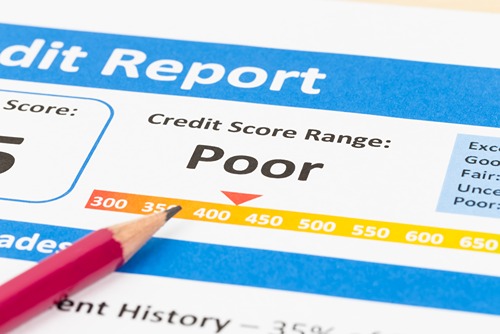
A Loan Against Property (LAP) is a secured loan in which borrowers pledge their residential or commercial property as collateral to access substantial funds. But what happens when your CIBIL score, a key indicator of creditworthiness, is less than ideal? Can you still qualify for a Loan Against Property with a low CIBIL score?
Let’s explore how a Loan Against Property for a low CIBIL score works, its implications, and how you can improve your chances of approval.
Impact of Credit Score on Loan Against Property Eligibility
The impact of CIBIL score on property loan applications is significant. A high score (typically 700 and above) signals strong repayment history and financial discipline, making it easier to secure approval with favourable terms.
A low CIBIL score Loan Against Property may still be possible, depending on the lender’s policies. However, your Loan Against Property eligibility is likely to be restricted, and you may face stricter conditions such as higher interest rates, lower loan-to-value ratios, or the requirement of a guarantor or co-applicant.
Interest Rates and Terms for Borrowers with Poor Credit Scores
Even if you are approved with a lower score, lenders may charge a higher Loan Against Property interest rate to offset the perceived risk.
You can use a Loan Against Property EMI calculator to estimate how different interest rates, loan amounts, and tenures will affect your monthly repayment and overall interest outgo.
That said, please note that the minimum CIBIL score for Loan Against Property applications is generally 700. If your score falls below this threshold, your chances of approval reduce, and it is advisable to improve your credit score before applying.
Tips to Improve Your Credit Score Before Applying
Before applying, consider these credit repair tips for LAP:
- Clear Outstanding Dues: Pay off any pending credit card balances and overdue EMIs to improve your repayment track record.
- Check Your Credit Report: Regularly review your CIBIL report and raise disputes for any inaccuracies.
- Maintain Low Credit Utilisation: Keep your credit card usage under 30% of the available limit.
- Avoid Multiple Loan Applications: Too many hard enquiries within a short time can negatively impact your score.
- Pay on Time: Ensure all EMIs, credit card bills, and utility payments are made before the due date.
Improving your CIBIL score for loan approval can significantly enhance your chances of getting approved on better terms.
Features & Benefits of a Loan Against Property
An LAP offers several attractive features and benefits for borrowers:
High Loan Amount
Borrowers can access substantial funding by pledging their residential or commercial property. Lenders generally offer a high loan-to-value (LTV) ratio, often up to 70%* of the property’s market value, depending on the borrower’s profile and estate type.
Flexible Repayment Tenures
LAP comes with extended repayment tenures, typically ranging from 12 to 180 months. This flexibility allows you to choose a tenure that balances your EMIs with your repayment capacity.
Multipurpose Use
One of the biggest advantages of a Loan Against Property is its versatility. The funds can be used for a wide range of purposes, including business expansion, higher education, home renovation, and medical expenses.
Property Ownership Retained
Despite pledging your property as collateral, ownership remains with you throughout the loan tenure – as long as repayments are made on time. This allows you to continue using or renting out the property, ensuring there’s no disruption to your current living or income-generating arrangements.
Conclusion
A Loan Against Property can be a practical way to unlock the value of your residential or commercial property and access substantial funds with flexible usage. However, your CIBIL score plays a decisive role in determining eligibility, interest rates, and other loan terms. To maximise your chances of approval and secure favourable terms, it is best to focus on improving your score before applying.
At SMFG India Credit, eligible applicants with a minimum CIBIL score of 700 can apply for a tailored Loan Against Property of up to 70%* of the property’s market value. With competitive interest rates and flexible tenures of up to 180 months, you can plan your finances with confidence and convenience. Check out the Loan Against Property documents you’ll require and apply online today to get started.