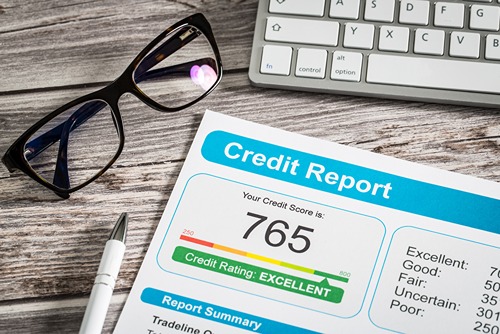
The CRIF full form is Centre for Research in International Finance, and it operates in India as CRIF High Mark, an RBI-licensed credit bureau. It provides credit reports and scores for both individuals and businesses. Understanding the CRIF score meaning is important, as it reflects your credit history and repayment behaviour. The CRIF High Mark credit score in India is used by lenders to assess creditworthiness before approving loans or credit cards. A reliable score helps you access better financial opportunities with greater confidence.
What Is CRIF High Mark?
CRIF High Mark is one of the 6 credit bureaus in India. The CRIF High Mark generates credit reports and credit scores for individuals, companies, and all entities. To generate this, it obtains and analyses all kinds of credit-related information, on the basis of which it can gauge the creditworthiness of the individual or entity, and assign them a CRIF score. The information used to gauge a person’s High Mark credit score is updated on a monthly basis by members of CRIF, which include banks and financial organisations.
CRIF High Mark Credit Score - An Explanation
So, what is the CRIF score? It is a 3-digit number that falls between 300 and 900. With 300 being the lowest or the worst score, and 900 being the highest or the best score.
A high CIRF credit score indicates a person who is low risk and has high financial credibility. In short, a person with such a score should be considered a low loan risk. Likewise, a low CRIF score range indicates a person with low financial credibility, who is a risk candidate for a loan.
This is how the CRIF score is used by lenders to gauge the borrower's profile and creditworthiness of a person.
Must Read: Factors That Can Affect Your Credit Score
CRIF Score Range and Points to Note about the CRIF High Mark Credit Score
The CRIF High Mark credit score is a three-digit number that reflects your creditworthiness based on your past repayment behaviour. A higher CRIF score indicates stronger financial discipline and improves your chances of qualifying for credit products, such as a personal loan.
Below is a simplified interpretation of score ranges:
|
CRIF Score Range
|
Category
|
Creditworthiness
|
|
750 – 900
|
Excellent
|
Very high
|
|
650 – 749
|
Good
|
High
|
|
550 – 649
|
Fair
|
Moderate
|
|
300 – 549
|
Poor
|
Low
|
Key points to note:
- You can typically access one annual free credit report from CRIF each year.
- The CRIF credit report can be checked online and includes detailed account information.
- CRIF provides a PCS (Personal Credit Score) for individuals and a BCS (Business Credit Score) for enterprises.
How CRIF High Mark Credit Score Is Calculated
The calculation of CRIF credit score is based on multiple aspects of an individual’s credit behaviour, as reflected in their credit report. Each factor shows how responsibly a person has managed credit over time. Consistent repayments and controlled borrowing contribute to a strong CRIF score, while irregular patterns may lower it. Lenders review these elements together rather than in isolation.
Key factors that influence the CRIF score include:
- Payment History: Timely repayments improve your score, while delays or defaults have a negative impact.
- Credit utilisation ratio: Using a lower portion of your available credit (ideally 30% below the available limit) signals better financial control.
- Length of credit history: A longer track record helps demonstrate stability.
- Credit mix: A balance of secured and unsecured loans reflects responsible usage.
- Credit enquiries: Frequent credit enquiries in a short period may reduce the score.
- Debt-to-income ratio: Keeping your total EMIs within 30% of your income supports a healthier credit profile.
Criterion Used by CRIF High Mark to Calculate the Credit Score
CRIF High Mark uses certain important criteria to calculate a person’s credit score. These criteria include the outstanding debts of a person, the repayment history, the length of period for which they have been taking loans, the credit mix utilised by the person, the ratio of debt to income, the number of new loan applications made, etc. These are the same things a person must be aware of as a part of their credit history 2and credit usage.
Some Tips If You Want to Improve Your CRIF Score
Now that you know the criteria used to judge the credit score, how to improve your credit score is an interesting derivative of the same.
- You must ensure your loan servicing is done in an efficient manner and all dues are paid on time.
- Credit card dues should be paid off in a timely manner and not kept rotating with minimum payments being made.
- Your credit utilisation ratio should ideally be below 30% of the available limit.
- Monitor your credit report on a regular basis, before and after making any important decisions.
- Have a good credit mix for your use.
- Do not apply for multiple loans at the same time.
- Do not max out your credit cards.
- Do not miss any payments due.
These would help you raise your CRIF score over a period of time.
When to Check your CRIF High Mark Credit Score
You should check your CRIF score on a timely basis – but especially before you apply for a loan. This is because by being informed of your credit rating, you will know where you stand with respect to the following:
With a low score, you stand to be rejected for the loan or get a smaller amount at higher interest rates. Even the approval process can involve more documentation, and the process could take longer.
Obtaining a CRIF High Mark Credit Report
Only banks and other lending institutions can get other people’s CRIF reports and CRIF scores for evaluating their creditworthiness while deciding on a loan application. Individuals and businesses can get their own reports of PCS or BCS on the official CRIF High Mark website. On entering details and being able to answer the security question as per the outlined procedure, you will be able to get your credit report and credit score.
Must Read: 10 Smart Ways to Increase Your Credit Score Fast
Is there a Difference Between Credit Score and a Credit Report?
The CRIF credit report contains details of a person’s credit behaviour and repayment history. It identifies the borrower’s name and date of birth, and creates a report based on the same. The credit score is a 3-digit number that signifies this information in a grade-based manner.
Must Read: Credit Score vs. Credit Report - Know What's the Difference?
Factors Affecting Your CRIF Score
Several key factors influence your CRIF score, all of which are captured in your credit report and reviewed by lenders when assessing your profile.
- Payment history: Timely repayment of EMIs and credit card dues has the strongest impact. Missed or delayed payments can lower your score and affect the interest rate offered on future loans.
- Credit utilisation ratio: Using a high percentage of your available credit limit signals financial stress, while controlled usage supports a healthier score.
- Credit mix: A balanced combination of secured and unsecured credit reflects responsible borrowing behaviour.
- Credit enquiries: Multiple loan or credit card applications in a short period may reduce your score.
- Length of credit history: A longer and consistent credit record helps establish reliability and stability.
Importance of a Good CRIF Score
For the lending institutions or Members of CRIF, the credit score and credit report help them to make lending decisions, as well as protect them from fraud. They also provide predictive analytics & scorecards for identification and anti-fraud services.
For the individual, it gives the ability to check their credit score and improve their credit score, as well as the opportunity to correct any errors in reporting.
How to Dispute Incorrect Information on the CRIF High Mark Credit Report?
Understanding what the CRIF credit report means is essential because lenders rely on it to assess your creditworthiness. If you notice any inaccuracies – such as incorrect personal details, wrong loan entries, or unidentified enquiries – you should address them promptly to avoid negative effects on your CRIF score. Errors can occur due to delayed updates, reporting issues from lenders, or clerical mistakes. Reviewing your report carefully helps ensure that your credit profile reflects your actual repayment behaviour.
Steps to dispute incorrect information:
- Identify the error: Check loan accounts, payment status, outstanding balances, and enquiries for discrepancies.
- Collect supporting documents: Keep statements, closure letters, payment receipts, or ID proofs ready.
- Raise a dispute on the CRIF High Mark website: Use the dispute resolution form and upload relevant documents.
- Inform your lender: If the error originated from the lending institution, request that they update the information.
- Monitor your report: Recheck your credit report after the correction is processed to ensure the update reflects accurately.
Conclusion
The CRIF score plays an important role in reflecting your overall credit health and financial discipline. By understanding how it is calculated and what factors influence it, you can take informed steps to maintain a stable credit profile. Regularly reviewing your credit report helps you spot errors early, track changes in your borrowing behaviour, and stay prepared before applying for credit.
If you are considering financial support for your goals, SMFG India Credit offers personal loans of up to Rs.10 lakhs* at competitive interest rates starting from 12.5%* per annum. You can use the personal loan EMI calculator and personal loan eligibility calculator to plan your borrowing with clarity.
Check your personal loan eligibility and apply online today with only a few essential personal loan documents.