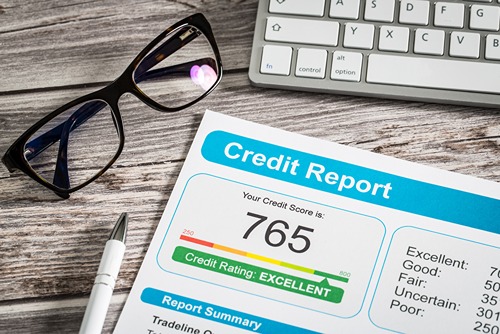
The age of your credit history becomes an essential factor in your eligibility for any type of loan. Having a longer credit history gives you a good credit score, and having a good credit score helps you get loans promptly. While credit history is often used interchangeably with terms like credit score and credit report, credit history has its own meaning and importance that differs from these terms.
Knowing what a credit history is and how it can impact your credit score, credit report, and, ultimately, your loan process is essential. In this article, we will check out what a credit history is and how it affects the whole loan lending process.
What Is Credit History?
Your credit history is a record of your credit activity that contains details on your payment patterns, the number of credit cards you own, the credit types you use, and the total amount of debt you have. All of this is documented in a document known as a credit report, which offers details about your credit account usage, including account balances and payment history.
A credit report also provides you with details about credit queries, your identification, and specifics about any collections and bankruptcies that are on file. The main credit bureaus that produce credit reports and determine credit history are Equifax, Experian, CRIF HighMark, and TransUnion CIBIL. Every bureau analyzes the data it has gathered using one or more scoring models, such as the CIBIL score, FICO score, or VantageScore.
Why Is Credit History Important?
Your credit history is a factor that creditors and lenders use when deciding how much of a credit limit to set for you and whether to approve a loan or credit card. They look at your credit history to estimate the likelihood that you will repay your loan on time. Your credit score is determined by your credit history, which also affects the interest rate or cost of the loan you would be qualified for.
Creditors look at several factors when reviewing your credit history, including the amount of time that credit accounts have been open, current activity, repayment patterns, and regularity of payments. A shorter credit history indicates less familiarity with credit, but a longer history demonstrates more experience and good repayment habits.
What does a "good credit" mean?
Good credit is a credit history classification that indicates the borrower has a good credit score and is a low credit risk. Based on their credit history, which is monitored in a credit report, credit rating organizations provide borrowers with a score. A good credit history indicates that you are not heavily indebted and that you have paid your bills on time. It indicates that you are a low-risk borrower.
In addition to helping you achieve and retain good credit and a good credit history, making on-time payments and keeping your debt amounts low are typically seen as responsible credit actions. Missed payments or bankruptcies could result in a poor credit history.
Why is it Important to Maintain a Good Credit Score?
When you apply for loans, credit cards, jobs, or insurance , businesses check your credit history. Having a good credit history makes it easier for businesses to accept you for a credit card, loan, employment, or insurance.
Making on-time monthly bill payments can help you keep a good credit history. You should have only 3-4 credit cards, keep their balances low, utilize them for a long time, and never spend more than thirty percent of your available credit. You should also regularly check your credit reports and fix any inaccuracies you discover.
In India, a credit score is measured using the CIBIL scoring technique, which generates a 3-digit number based on your credit report. A good CIBIL score ranges between 700 and 900, whereas scoring starts at 300.
What Is the Difference Between Credit History and Credit Score?
|
Aspect
|
Credit History
|
Credit Score
|
|
Definition
|
It is a document that records your debts and repayment behavior over a period of time.
|
It is a three-digit numerical representation of your creditworthiness, which includes your credit history.
|
|
Use
|
It is used by lenders to analyze and assess an individual's financial behavior.
|
It is used by lending institutions and other financial platforms to determine an individual's eligibility for credit and interest rates.
|
|
Components
|
It includes the age of the account, payment history, types of credit, etc.
|
It includes payment history, best levels, credit utilization, etc.
|
How long will it take for your Credit History to affect your Credit Scores?
In India, your credit history usually begins to affect your credit ratings after a few months of starting your first credit account. It typically takes six months to a year to show an effect on your credit scores. Lenders evaluate your credit utilization and payment history throughout this period to establish your creditworthiness.
If you wish to establish a good credit history and raise your credit scores over time, it's essential to handle your credit responsibly and make on-time payments. Maintaining consistency is essential for developing a compelling credit profile in India.
What Is Your Length of Credit History?
The length of time the accounts on your credit reports have been open is referred to as the length of credit history. To calculate the effect, the length of credit history will have on your credit scores, credit-scoring models typically take into account the age of your oldest and newest accounts as well as the average duration of all your accounts.
Along with your "credit mix," or the different kinds of credit accounts you have, your credit history makes up about 15% of your FICO score and approximately 20% of your VantageScore credit score. Your credit score can improve if your credit record shows a significant amount of credit history.
How to Improve Your Length of Credit History?
While your length of credit history tends to get better with time, and if you don't make mistakes, increasing your credit history's length requires patience. Alternatively, you can speed up the procedure by becoming an authorized user on a friend or family member's credit card account.
In such cases, it is essential to guarantee that the issuer discloses the account history to both authorized and main users. Before adding the account, you must also make sure it has a good payment history and minimal credit use.
Additionally, you can think about adding utility bills, phone bills, and rent payments to your credit report by using other data sources like Experian Boost. If these accounts show a long history of responsible use, it could increase your length of credit history.
What Other Factors Affect Your Credit Scores?
Your credit history's length is only one factor that influences your credit score. Given below are the other essential factors to take into account that affect your credit score.
- Payment history: It shows if you have paid all your bills on time or not. A good payment history means that you have paid all your bills on time. This increases your credit score.
- Amount of unpaid debt: If you have high amounts of unpaid debt, it negatively impacts your credit score. So, it's essential to ensure that you have fewer unpaid debts.
- Credit Utilization Ratio: It is the amount of credit you use from the available credit. Having a low credit utilization ratio, where the ratio is less than 30%, is preferred to having a good credit score.
- Variety of credit accounts: It might be advantageous to have a variety of credit accounts, including credit cards and loans.
- New accounts: Your credit scores can drop if you open too many new accounts at once.
Monitor Your Credit Score for Free
There are several ways to monitor your credit score for free in India. Many platforms offer free services to help you check your CIBIL score. You can even monitor your CIBIL score through the bank statements of the banks that offer this facility.
The best way is to check with the credit bureaus directly. You can get your CIBIL score for free once a year from the CIBIL website. You will have to create an account and verify your identity using your PAN card and other details. You'll get a detailed report along with the score, which will help you determine if you have a good CIBIL score or not.
How It Impacts Your Personal Loan
Understanding the significance of credit history is essential when applying for personal loans. A robust credit history is not just a reflection of your past financial behavior but a key factor that lenders evaluate to determine your creditworthiness. Here are the major ways in which a good credit history influences the terms of personal loans:
- Higher Approval Rates: Lenders are more inclined to approve loan applications for individuals with a solid credit history. This is because a good credit history indicates a lower risk of default, making you a more attractive borrower.
- Lower Interest Rates: One of the most direct benefits of a good credit history is access to lower interest rates. Borrowers with strong credit scores often qualify for the most competitive rates, which can lead to significant savings over the life of the loan.
- More Favorable Terms: Beyond interest rates, a good credit history can lead to more favorable loan terms, such as higher borrowing limits and longer repayment periods. Lenders are willing to offer better conditions to borrowers who have demonstrated financial responsibility.
- Quicker Approval Process: A strong credit history can streamline the approval process. Since lenders can quickly assess your creditworthiness, they can make faster decisions, allowing you to access funds more promptly.
- Maintaining a good credit history is crucial for anyone looking to secure a personal loan under favorable conditions. It reflects your financial reliability and opens the door to better opportunities in the lending market, ensuring you can secure funds when needed under terms that best suit your financial situation.
Conclusion
Having good credit can help your financial life in a variety of ways. Therefore, it's important to understand how to improve your credit score in all areas, including the category of credit history length. A good credit history can result in more opportunities, such as being authorized for loans and receiving lower interest rates.
Knowing the components of your credit history will help you create a plan to guarantee that your credit report looks good to potential lenders. If you're still in the process of improving your credit score but require some financial assistance, you can avail personal loans from SMFG India Credit. With flexible repayment terms, competitive interest rates, and transparent processes, apply for a personal loan today!