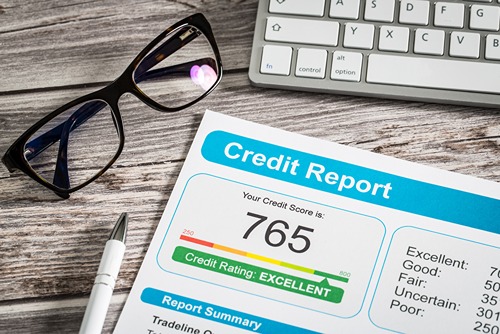
Your credit score plays a crucial role in determining your financial health. Whether you're applying for a personal loan, a credit card, or even renting an apartment, this score is often a key factor in the approval process.
But many people still wonder: Does checking credit score lower it? In this article, we’ll clear up the confusion and explain the real impact of credit checks on your score.
Related Read: What Is the Role of CIBIL Score in the Personal Loan Application Process?
Understanding Credit Checks
Credit checks are enquiries made by lenders, landlords, or authorised individuals to review your credit report and assess your creditworthiness. These enquiries are recorded in your credit history and are classified into two types:
- Soft Enquiries: These occur when you check your own credit report or when a company reviews your report for non-lending purposes. Examples include background checks by employers or pre-approved loan offers. Soft inquiries do not affect your credit score.
- Hard Enquiries: These are performed by lenders when you apply for a loan, credit card, or mortgage. A hard enquiry may cause a slight dip in your credit score, but the effect is usually small and temporary.
Understanding what a credit check is and the types of credit checks helps you manage how and when your credit report is accessed.
Will Checking Your Credit Report Hurt Your Score?
No, checking your credit report yourself does not hurt your score. This is a soft enquiry and is not factored into your credit score calculation. In fact, monitoring your credit is a recommended financial habit.
A hard enquiry vs a soft enquiry differs primarily in their impact. While soft enquiries are harmless, a hard enquiry can reduce your score by a few points. However, multiple hard enquiries within a short time can raise red flags, suggesting that you may be financially stressed or overextending credit.
Protecting Your Credit Score
Maintaining a healthy credit score goes beyond limiting hard enquiries. Here are some important practices:
Conduct a Credit Report Overview Regularly
You're entitled to one free credit report per year from each of the four credit bureaus in India – CIBIL, Equifax, Experian, and CRIF High Mark. Regularly checking your report helps identify errors or fraudulent activity. Since these checks are soft enquiries, they have no negative credit score effect.
Be Judicious with Credit Applications
Apply for new credit only when necessary and avoid submitting multiple applications at once. Fewer applications mean fewer credit enquiries and score dips, helping you maintain a stable credit profile. Before applying, consider comparing lenders and using tools like a personal loan eligibility calculator to make informed decisions.
Pay Your Bills On Time
Your payment history is one of the most critical components of your credit score. Late or missed payments can significantly damage your score. Automating payments or setting reminders can help you stay on track.
Keep Credit Utilisation Low
The credit utilisation ratio refers to the percentage of your available credit that you're using. Keeping this ratio below 30% demonstrates responsible credit behaviour and positively impacts your score. This is especially important when managing credit cards or revolving credit lines.
Conclusion
So, does checking your credit score lower it? Not when you do it yourself. Understanding the difference between a soft and hard enquiry is key to maintaining a strong credit profile. By limiting hard enquiries, paying your existing EMIs and credit card dues on time, and managing your credit usage wisely, you can protect – and steadily improve – your score.
If you’re exploring financing options to support your personal or business goals, SMFG India Credit offers personal loans of up to INR 10 Lakhs* to eligible applicants with a credit score of 700 and above. Estimate your monthly repayments using our personal loan EMI calculator and apply online today!