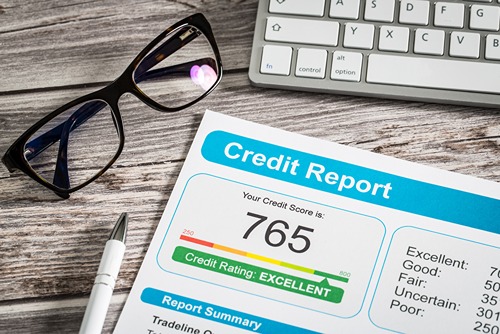
A CIBIL score reflects an individual's creditworthiness based on their repayment history. It essentially summarises a loan or credit applicant’s financial behaviour, helping financial institutions assess the risk involved in lending. A higher score improves your chances of loan approval, often with better interest rates and flexible repayment terms.
Let’s further explore the meaning of CIBIL score and why it is a vital part of your financial planning.
What Is a CIBIL Score?
CIBIL score is a three-digit numeric summary of credit history and the reflection of a person's credit profile. There are multiple agencies which calculate the credit scores of individuals as well as entities. The most commonly used credit score in India is the CIBIL score, which is generated by TransUnion CIBIL Limited – the CIBIL full form stands for Credit Information Bureau (India) Limited.
The score ranges between 300 to 900, and a person closer to the score of 900 is considered to be more creditworthy. Such a candidate has a better chance of getting their loan application approved. These days, CIBIL scores are also sometimes used by employers as a part of background checking before hiring a candidate.
CIBIL Score Meaning & Ideal Range
The CIBIL score plays a very crucial role in the loan approval process. Using the score, the lender categorises the person on a risk scale of 1-5, with 5 being the lowest risk. This categorisation then decides the terms of the loan that can be provided.
Above 750: A score above 750 is considered to be an excellent one, and the person has the lowest risk rating. The loan approval process is also quick and hassle-free.
A higher credit score gives borrowers the ability to negotiate the terms of the loan. For example, such borrowers can get the lowest possible interest rate on personal loans (as per the lender’s policy) as well as a longer tenure, higher loan amounts, etc.
Between 700-749: This score is considered to be a good score, and the person has a good chance of securing the loan on favourable terms. However, the lender may choose to offer slightly higher rates of interest for such applicants.
Between 650-699: This score is considered an average score, and the lender may sanction the loan by asking for an additional guarantee, like a guarantor or a co-applicant.
Between 600-649: This score is considered to be bad and indicates constant defaults on loan repayment or credit card bills. The chances of getting a loan are slim.
Below 599: The score is considered to be poor and indicates poor credit health, and the lender may refuse to advance a loan.
What Does Credit History and Credit Report Mean In CIBIL?
A CIBIL report is a comprehensive record of an individual’s credit history, covering details such as loans, credit cards, repayment behaviour, and credit utilisation. It highlights important data like missed or delayed EMI payments, defaults, outstanding balances, and the status of various credit accounts.
The CIBIL score, derived from the report’s "Accounts" and "Enquiries" sections, reflects creditworthiness. Lenders use this report and score to assess risk, ensuring informed decisions on loan approvals and terms for applicants.
Why Does the CIBIL Score Matter?
The CIBIL score is a critical factor in determining loan eligibility and terms, such as the interest rate.
A high score, ideally above 750, signals low credit risk, leading to faster loan approvals, lower interest rates, and flexible repayment terms (provided the applicant meets the overall eligibility requirements).
On the other hand, a low CIBIL score can lead to loan rejections, higher interest rates, or the need for additional guarantees such as a co-applicant or collateral.
Regularly checking your CIBIL report and score helps you stay on top of your credit health. Proactive monitoring allows you to identify and correct issues early, build trust with lenders, and improve your access to credit for major life goals.
Factors That Affect Your CIBIL Score
Several factors influence your CIBIL score, each reflecting different aspects of your credit behaviour. Understanding these elements is essential for maintaining a healthy score:
- Payment History: Timely repayment of EMIs, credit card dues, and utility bills is the most important factor. Delays, missed payments, or defaults negatively impact your score.
- Credit Utilisation Ratio: This is the percentage of your total credit limit that you're using. A high utilisation ratio (typically over 30%) may indicate credit dependency and can lower your score.
- Credit Mix: Maintaining a healthy balance between secured loans (like auto loans) and unsecured loans (like personal loans) can have a positive impact.
- Multiple Loan Applications: Applying for several loans or credit cards in a short span generates multiple “hard enquiries,” which may signal financial stress and reduce your score.
How to Check Your CIBIL Score
Regularly checking your CIBIL score is essential for maintaining good financial health. The process is straightforward and can be done through the official CIBIL website.
- Visit the CIBIL Website: Go to the official CIBIL site and navigate to the score-checking section.
- Provide Details: Enter personal details like PAN, name, and contact information.
- Authenticate Identity: Verify your identity using an OTP sent to your registered mobile number or through other authentication methods.
- Access Score and Report: Pay the required fee, if applicable, to view your CIBIL score and report. CIBIL and other credit bureaus offer one free credit report per year.
- Review Regularly: Check for inaccuracies or outdated information in your report. If you find errors, raise a dispute with CIBIL promptly to have them corrected.
Tips to Improve CIBIL Score
The following are the actions to be followed to improve the CIBIL Score over time:
- Pay all your EMI and credit card bills in full and on time.
- Avoid revolving your credit card balances.
- Avoid taking multiple loans.
- Avoid applying with multiple lenders/credit cards at the same time.
- Avoid going for a loan settlement; instead, demonstrate the ability to repay the loan.
- Limit the credit utilisation ratio of your credit card to up to 30%.
- Check CIBIL score at a regular interval and dispute any inaccuracies on the credit report.
Conclusion
Understanding the CIBIL score and its significance is crucial for maintaining strong financial health. A high score, built through consistent timely repayments and responsible credit behaviour, not only enhances your credit profile but also unlocks access to better loan terms and financial opportunities.
Regularly monitoring your CIBIL score and credit report ensures accuracy and helps you take corrective action, if needed, before applying for credit.
At SMFG India Credit, we offer personal loans of up to INR 10 lakhs* to eligible applicants with a CIBIL score of 750 or above. Enjoy interest rates starting from just 12.5%* per annum, with flexible tenures of up to 60 months. Apply online today to experience a seamless borrowing process tailored to your financial needs.
Apply For Personal Loan Check Free Credit Score