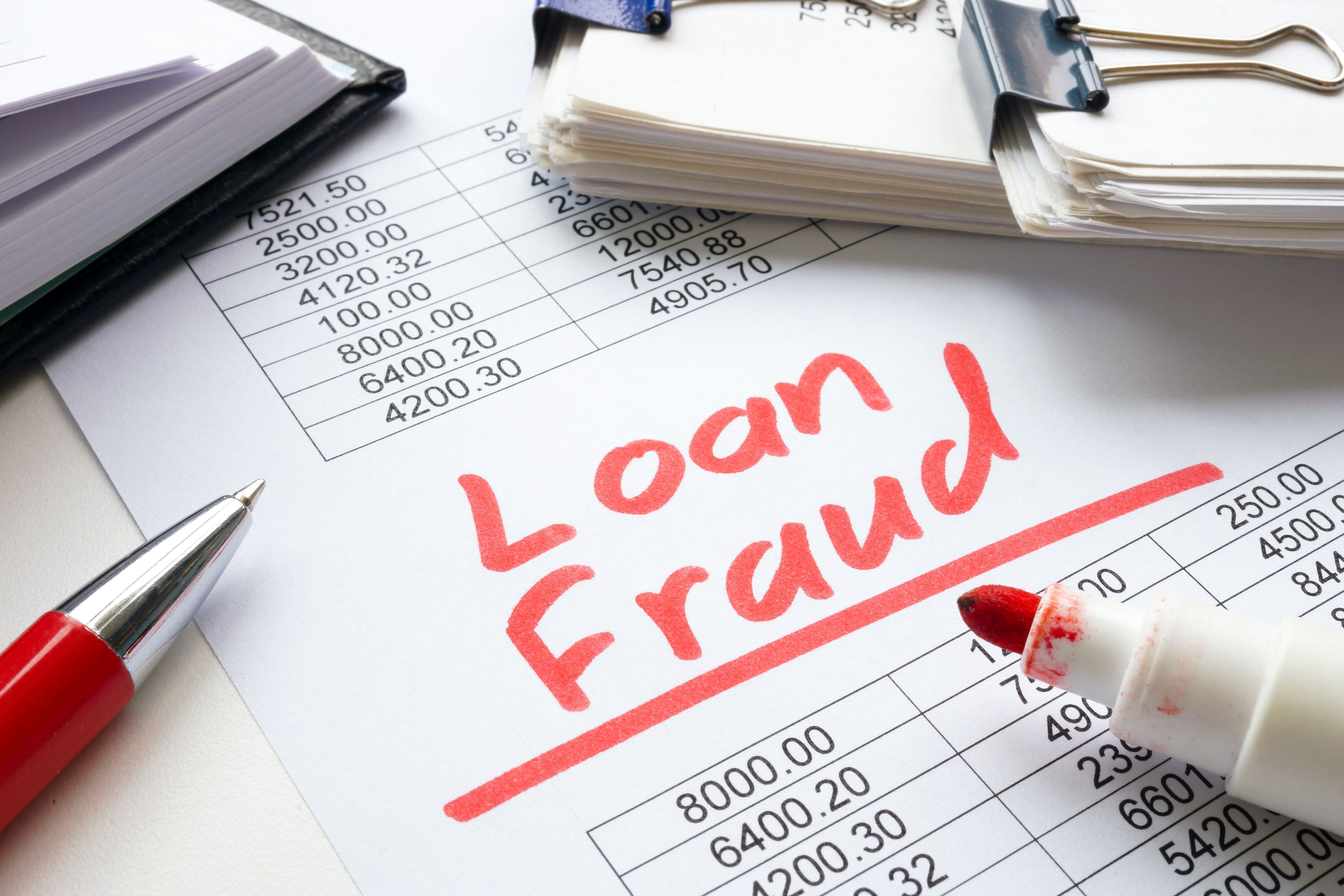
In the digital world, protecting your personal and financial information is just as important as managing your money wisely. Whether you're applying for a personal loan or exploring other credit options, staying vigilant against loan fraud is essential.
Falling victim to fraudulent loan activity can lead to financial losses, damage to your credit profile, and prolonged legal hassles. Fortunately, with a few practical steps, you can strengthen your protection against loan fraud and safeguard your personal information from misuse.
Related Read: How to Avoid Fraud When Applying for a Digital Personal Loan
What Is Loan Fraud?
In some cases, loan fraud involves identity theft, where fraudsters use stolen details like your PAN, Aadhaar, or bank information to take out loans in your name. In other cases, scammers often pose as legitimate lenders, offering fake loan approvals in exchange for “processing fees” or personal documents, only to disappear once the money or information is handed over.
That’s why adopting loan fraud protection measures is essential – not just to secure your finances but also to prevent identity theft and long-term damage to your credit profile.
Understanding how loan fraud works is the first step toward spotting warning signs and staying ahead of scammers.
How to Know That You Have Been a Victim of Loan Fraud?
Loan fraud often goes undetected until the damage is already done, which makes it crucial to recognise the warning signs early. Some red flags are subtle, while others may demand immediate attention. The sooner you identify them, the easier it is to limit the fallout and start the resolution process.
Here are some common signs of loan fraud to watch for:
- You receive calls or messages about a loan you never applied for.
- There’s a sudden dip in your credit score without any major financial activity.
- Unknown loans or enquiries appear on your credit report.
- You get EMI reminders or collection notices for a loan you didn’t take.
- You notice unauthorised access to your financial or KYC information.
These are not just technical glitches; they could be indicators of identity theft or loan fraud. If any of these situations occur, act quickly by checking your credit report, contacting the lender, and reporting the fraud to the relevant authorities.
How Does Loan Fraud Happen?
In most cases, fraudsters get access to your personal or financial data – such as your PAN, Aadhaar, bank details, or income documents – and use it to apply for loans in your name. This data is often obtained through phishing emails, fake loan websites, data breaches, or even social engineering scams.
Another common tactic involves impostors posing as legitimate lenders or loan agents. They lure victims with offers of easy approvals without credit checks, zero documentation, or guaranteed loans, and then ask for an upfront payment, KYC documents, or OTPs under false pretences.
Understanding how loan fraud happens is key to protecting yourself. In almost all instances, the fraud succeeds because the attacker manages to manipulate or access sensitive personal information.
4 Steps to Protect Yourself Against Loan Fraud & Identity Theft
1. Safeguard Your Personal Information
Your PAN, Aadhaar, bank account details, and mobile number are gateways to your financial identity. Be cautious about sharing them, especially on unknown websites, apps, or over calls claiming to be from lenders. Avoid posting sensitive information on social media, and never share OTPs or passwords.
Quick Tip:
Avoid using public Wi-Fi when accessing lending platforms. Use strong, unique passwords and enable two-factor authentication wherever possible.
2. Verify Lender Information Before You Share Anything
Always check if the lender you're dealing with is registered with the Reserve Bank of India (RBI). Many fraudulent parties create fake websites or social media ads that look convincing but are designed to steal your data or money.
What You Can Do:
- Visit the lender’s official website (not just links from messages or ads)
- Look up customer reviews or complaints
- Cross-check the company's registration with the RBI or a relevant regulator
If you're ever in doubt, don’t proceed. Reputable lenders never ask for sensitive data or upfront fees over informal channels like WhatsApp.
3. Monitor Your Credit Report and Financial Activity Regularly
Keeping an eye on your credit report is one of the simplest and most effective ways to catch fraud early. Unfamiliar loans, hard enquiries, or sudden drops in your credit score could all be signs that someone is misusing your identity to access credit.
You can check your credit report for free once a year from each credit bureau, or use credit monitoring services that alert you to suspicious activity in real time. If you spot something off – like a loan you didn’t apply for – raise a dispute immediately with the credit bureau and the concerned lender.
Quick Tip: Make it a monthly habit to review your SMS alerts, bank statements, and emails for any unknown transactions or loan-related updates.
4. Report and Act Quickly If You Suspect Fraud
If you believe you've been targeted, don’t delay. The faster you act, the easier it is to limit the damage.
Steps You Can Take:
- Report the incident to the concerned lender
- File a cybercrime complaint with the relevant authorities
- Inform your mobile provider and update passwords across financial platforms
- Place a fraud alert with credit bureaus (CIBIL, Experian, Equifax, or CRIF High Mark)
Most importantly, keep records of all communication and actions taken – it can help resolve the issue faster.
Related Read: How to Report an Online Personal Loan Fraud
Conclusion
Staying alert and taking a few preventive measures can go a long way in keeping your finances and identity safe. From securing your personal data and verifying lenders to tracking your credit report regularly, following these loan fraud protection steps can help you avoid unnecessary stress and financial loss.
Seeking a reliable and trustworthy personal loan provider? SMFG India Credit offers funding of up to INR 10 Lakhs* with transparent processing and no hidden fees or charges. Apply online today or walk into your nearest branch for personalised support.