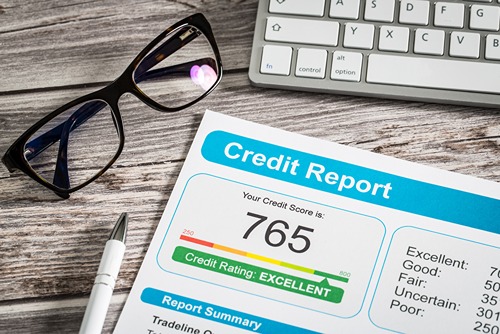
You might have come across recommendations to pay EMIs, credit card dues, and even utility bills on time to maintain a healthy credit score. But do all bills impact your score equally?
Understanding the kind of bills that affect CIBIL score can help you manage credit more effectively and maintain a strong financial profile.
Bills That Affect Your CIBIL Score
Certain bills directly impact your credit score in India, especially those related to credit and loans. Timely payments on these accounts help build a positive credit history, while missed payments can harm your score. Key bills that affect your CIBIL score include:
- Credit card bills
- Personal loan EMIs
- Business Loan EMIs
- Mortgage repayments
These are regularly reported to credit bureaus and significantly influence your credit score.
Bills That Do Not Affect Your Credit Score
Not all bills impact your credit score in India. Payments that are not credit-related usually aren't reported to national credit bureaus and don’t directly influence your credit history, even if paid late. These include:
- Electricity and water bills
- Mobile and internet bills
- Subscription services
- Insurance premiums
While these bills don’t affect your credit score, timely payments are still important to avoid service disruptions and late payment penalties.
Impact of Missed or Delayed Payments on Credit Rating
Missing or delaying payments on bills that affect your CIBIL score can have serious consequences. Even a single missed payment can bring your score down, while repeated delays signal poor credit behaviour to lenders. The key impacts include:
- Drop in CIBIL score
- Negative marks on your credit report
- Reduced chances of loan approval
- Higher interest rates on future credit, if approved
Major and Minor Repayment Defaults
Repayment defaults, whether minor or major, can negatively impact your credit health. These typically involve bills that affect your CIBIL score, such as loan EMIs and credit card dues.
Minor Default:
- Payment delayed by 30–90 days
- May slightly lower your credit score
- Recoverable with consistent future payments
Major Default (NPA):
- Delay exceeds 90 days
- Payment delayed by more than 90 days
- Significantly damages your credit score and reduces future credit eligibility
Key Factors That Affect Your Credit Score
1. Credit History
Financial institutions maintain detailed credit history reports of borrowers to check their credit scores. Such a CIBIL report can be traced back to the first time you applied for credit. A positive credit history affects your credit score favourably.
One good way to maintain a long and healthy credit history is to hold on to your old credit cards. When you discontinue a credit card, you lose the credit score that comes with it. This can lead to a drop in your credit rating.
2. Credit Utilisation Ratio
Credit utilisation ratio refers to the amount of credit that is availed from a given limit. It is calculated as a percentage.
For example, if you possess 3 credit cards that have individual credit limits of INR 1.5 lakh, INR 1 lakh and INR 50,000 respectively, you have a total credit limit of INR 3 lakhs. If you have drawn INR 90,000 on these cards, you will have a credit utilisation ratio of 30%.
The creditworthiness of a borrower is determined by how low the credit utilisation ratio is. When they check a credit score, lenders prefer a ratio that is less than 30%. If you want to maintain a healthy credit utilisation ratio, avoid using up too much of your credit limit. You can do this by paying your credit card bills regularly.
3. EMI to Income Ratio
Suppose your monthly income is INR 50,000 and the total EMI you pay is INR 10,000. Your EMI to income ratio will be 20%.
When lenders check a credit score, they prefer a maximum EMI-to-income ratio of up to 30%. This is based on the assumption that you will need at least 30% of your monthly income to meet your expenses. However, if you are applying with a co-applicant who also has a stable income, the joint EMI-to-income ratio will be considered.
Timely payments of your EMI, loans, and credit card bills will help you to maintain a good CIBIL report. A healthy credit score will enable you to command favourable terms of borrowing from lenders in the future.
How to Maintain a Good Credit Score
Maintaining a good credit score requires consistent and responsible financial habits, especially when it comes to bills that affect the CIBIL score. Timely repayments and prudent credit usage play a key role in building a strong credit profile.
- Pay EMIs and credit card bills on time.
- Keep credit utilisation below 30% of your available limit.
- Avoid submitting multiple loan applications within a short period.
- Check your credit report regularly to identify and correct any errors.
- Maintain a healthy mix of secured and unsecured credit types.
The Bottom Line
Understanding which bills affect your CIBIL score is essential for managing your financial health. While only credit-related bill payments impact your score in India, maintaining timely repayments and avoiding defaults can help you build and sustain a strong credit profile. Regular monitoring of your credit report and responsible repayment behaviour are key to long-term financial stability and access to better lending opportunities.
If you're looking for financial support to manage your expenses, consider a personal loan from SMFG India Credit. We offer funds of up to INR 30 lakhs* at competitive interest rates and with flexible repayment options. Check your eligibility and apply online today!
Apply for Loan