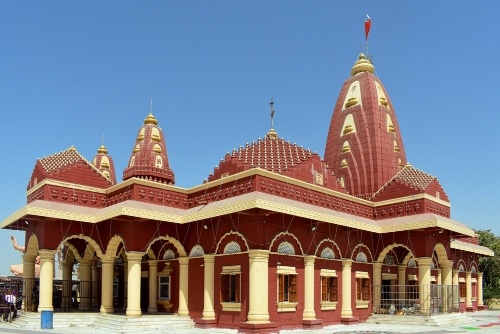
The 12 Jyotirlinga temples in India are among the holiest pilgrimage sites dedicated to Lord Shiva and hold deep spiritual significance. These sacred shrines are linked to the belief that Shiva appeared as a pillar of divine light and are spread across different states in India, making Jyotirlinga pilgrimage planning both spiritually meaningful and logistically important. As visiting multiple temples involves considerable travel and accommodation costs, careful financial planning can help manage the journey more comfortably. This Jyotirlinga travel guide covers the key aspects to help you prepare better.
What Is a Jyotirlinga? Meaning and Spiritual Significance
The Jyotirlinga meaning comes from the words ‘Jyoti’ (light) and ‘Linga’ (symbol of Lord Shiva), representing Shiva as a radiant, formless presence. According to the Shiva Purana, Shiva manifested as an infinite pillar of light to establish his supremacy, which forms the basis of the Jyotirlinga's significance in Hindu mythology. These shrines are regarded as Shiva’s sacred temples, where devotees seek spiritual growth and blessings. The 12 Jyotirlingas in India hold special importance in pilgrimage traditions, and many devotees prefer a comprehensive Jyotirlinga yatra planning for a complete spiritual journey.
Complete List of 12 Jyotirlingas in India
The 12 Jyotirlingas in India are spread across several states, reflecting the wide spiritual geography of Lord Shiva’s worship. The following complete Jyotirlinga temple list with locations shows temples situated across Gujarat, Maharashtra, Madhya Pradesh, Uttarakhand, Tamil Nadu, Andhra Pradesh, Jharkhand, and Uttar Pradesh, each holding unique religious and historical importance.
12 Jyotirlinga Temples with Locations
The following table presents key Jyotirlinga temple locations in India, along with their highlights:
|
Jyotirlinga Name
|
Location
|
State
|
Key Highlight
|
|
Somnath
|
Veraval
|
Gujarat
|
Arabian Sea temple
|
|
Mallikarjuna
|
Srisailam
|
Andhra Pradesh
|
Located on the Nallamala hills
|
|
Mahakaleshwar
|
Ujjain
|
Madhya Pradesh
|
Famous for Bhasma Aarti
|
|
Omkareshwar
|
Mandhata Island
|
Madhya Pradesh
|
Island shaped like ‘Om’
|
|
Kedarnath
|
Kedarnath
|
Uttarakhand
|
Himalayan temple
|
|
Bhimashankar
|
Pune
|
Maharashtra
|
Located in the Sahyadri hills
|
|
Kashi Vishwanath
|
Varanasi
|
Uttar Pradesh
|
Situated on the Ganga River
|
|
Trimbakeshwar
|
Nashik
|
Maharashtra
|
Source of the Godavari River
|
|
Vaidyanath
|
Deoghar
|
Jharkhand
|
Associated with healing
|
|
Nageshwar
|
Dwarka
|
Gujarat
|
Coastal Shiva temple
|
|
Rameshwaram
|
Rameswaram
|
Tamil Nadu
|
Linked to Ramayana
|
|
Grishneshwar
|
Aurangabad
|
Maharashtra
|
Near Ellora caves
|
Travel Planning for 12 Jyotirlinga Yatra
Planning a visit to the 12 Jyotirlingas in India requires thoughtful preparation, as these temples are spread across different regions, from the Himalayas to the southern coastline. Effective Jyotirlinga travel planning often involves grouping temples by location to make the journey more manageable. Some devotees choose to complete the pilgrimage over multiple trips, while others undertake a longer journey covering several sites at once. A structured Jyotirlinga yatra guide can help in organising routes, estimating travel time, and arranging accommodation in advance.
In addition to logistics and financing, broader pilgrimage planning in India includes considering seasonal weather conditions, temple timings, and local transport availability. For example, certain temples, such as Kedarnath, are accessible only during specific months. Planning ahead not only ensures a smoother travel experience but also allows devotees to focus on the spiritual purpose of the journey without unnecessary disruptions.
Best Route to Cover All 12 Jyotirlingas in India
Covering the 12 Jyotirlingas of India can be more efficient when planned in a structured sequence based on geography. A well-organised Jyotirlinga pilgrimage route in India typically moves from West to Central, then North, and finally South India. This approach helps reduce travel time and allows pilgrims to manage the journey more comfortably. While there is no fixed order, many travellers follow a commonly recommended sequence as the best route for Jyotirlinga yatra, combining nearby temples into clusters.
A suggested travel sequence is:
- Somnath (Gujarat)
- Nageshwar (Gujarat)
- Bhimashankar (Maharashtra)
- Trimbakeshwar (Maharashtra)
- Grishneshwar (Maharashtra)
- Omkareshwar (Madhya Pradesh)
- Mahakaleshwar (Madhya Pradesh)
- Kedarnath (Uttarakhand)
- Kashi Vishwanath (Uttar Pradesh)
- Vaidyanath (Jharkhand)
- Mallikarjuna (Andhra Pradesh)
- Rameshwaram (Tamil Nadu)
This route allows pilgrims to travel systematically across regions while balancing travel convenience with spiritual goals.
Jyotirlinga Yatra Route Map
Here’s a suggested Jyotirlinga temple travel itinerary in detail:
|
Temple Name
|
State
|
Region
|
Suggested Travel Sequence
|
|
Somnath
|
Gujarat
|
West India
|
Start of journey
|
|
Nageshwar
|
Gujarat
|
West India
|
Continue in Gujarat
|
|
Bhimashankar
|
Maharashtra
|
West India
|
Enter Maharashtra
|
|
Trimbakeshwar
|
Maharashtra
|
West India
|
Nearby temple cluster
|
|
Grishneshwar
|
Maharashtra
|
West India
|
Close to Ellora
|
|
Omkareshwar
|
Madhya Pradesh
|
Central India
|
Move to Central India
|
|
Mahakaleshwar
|
Madhya Pradesh
|
Central India
|
Continue the Central route
|
|
Kedarnath
|
Uttarakhand
|
North India
|
Begin North India segment
|
|
Kashi Vishwanath
|
Uttar Pradesh
|
North India
|
Continue North India
|
|
Vaidyanath
|
Jharkhand
|
East India
|
Move towards East India
|
|
Mallikarjuna
|
Andhra Pradesh
|
South India
|
Begin the South India route
|
|
Rameshwaram
|
Tamil Nadu
|
South India
|
End of journey
|
How to Reach the 12 Jyotirlinga Temples
Reaching the 12 Jyotirlingas in India is relatively convenient today due to improved transport connectivity across regions.
Whether you are following a detailed 12 Jyotirlinga itinerary or planning visits in phases, most temples are accessible through a combination of air, rail, and road travel.
Common travel options in a Shiva Jyotirlinga pilgrimage guide include:
- Air Travel: Many temples, such as those near Varanasi, Pune, and Madurai, have nearby airports, reducing long travel hours.
- Rail Travel: Major railway networks connect cities close to most Jyotirlinga sites, making train travel a practical option.
- Road Travel: Well-maintained highways and local transport services make road journeys accessible, especially for nearby temple clusters.
- Pilgrimage Tour Packages: Organised tours offer structured itineraries, covering transport, accommodation, and temple visits for a more guided experience.
Estimated Time to Complete the Jyotirlinga Yatra
The time required to complete a pilgrimage covering the 12 Jyotirlingas of India can vary depending on your travel pace and planning approach. A fast-paced itinerary may take around 15–20 days, while a more relaxed journey could extend to 25–30 days, allowing for rest and deeper spiritual engagement. Since the temples are spread across distant regions, the travel distance between locations can be significant. A well-structured Jyotirlinga temples in India travel guide can help balance travel time, temple visits, and overall comfort throughout the journey.
Estimated Budget for 12 Jyotirlinga Tour
Planning a visit to the 12 Jyotirlingas in India involves budgeting for travel, accommodation, food, and local transport. Costs can vary depending on your travel style, duration, and comfort preferences.
While some pilgrims manage expenses through careful, rigid budgeting, others may explore options such as a short-term personal loan to handle upfront travel costs more conveniently.
|
Travel Type
|
Estimated Budget Range
|
|
Budget Travel
|
Rs. 40,000 – Rs. 60,000
|
|
Mid-Range Travel
|
Rs. 60,000 – Rs. 1,20,000
|
|
Premium Travel
|
Rs. 1,20,000 – Rs. 2,50,000+
|
Budget Planner for Jyotirlinga Yatra
|
Travel Type
|
Estimated Cost
|
Duration
|
|
Budget Travel
|
₹40,000 – ₹60,000
|
18–22 days
|
|
Mid-Range Travel
|
₹60,000 – ₹1,20,000
|
20–25 days
|
|
Premium Travel
|
₹1,20,000+
|
20–25 days
|
Note: These are approximate estimates, and actual costs may vary based on travel choices, season, and accommodation preferences.
Best Time to Visit the 12 Jyotirlinga Temples
The ideal time to visit the Jyotirlinga temples depends on weather conditions across different regions of India. In general, October to March is considered suitable, as the climate is relatively pleasant for travel. However, some temples such as Kedarnath are open only during specific months due to harsh winter conditions. Planning your trip according to seasonal accessibility can help ensure a smoother pilgrimage experience.
Key considerations include:
- October to March: Comfortable weather for most temples
- April to June: Suitable for northern temples before peak summer
- Monsoon season: Travel may be affected in certain regions
- Kedarnath temple: Open typically between May and October due to snowfall
Accommodation and Facilities for Pilgrims
Pilgrims visiting Jyotirlinga temples can choose from a range of accommodation options such as temple guest houses, dharamshalas, budget hotels, and online travel bookings for added convenience. Many sites also offer facilities like prasad counters, lockers, and dedicated assistance centres to support visitors.
Tip: For women travelling independently or in groups, setting aside a clear travel budget or considering options like a personal loan for women can help manage accommodation and related expenses more comfortably.
How a Travel Loan Can Help You Complete the 12 Jyotirlinga Yatra
Planning a pilgrimage covering multiple destinations can involve significant upfront expenses for transport, accommodation, and daily needs. In such cases, a personal loan for travel can help manage costs without disrupting your savings. It allows you to spread expenses over manageable instalments while focusing on the spiritual journey.
Before applying, it is useful to assess your repayment capacity and estimate monthly outflows using a personal loan EMI calculator, so that your travel plans remain financially comfortable and well-structured.
Conclusion
Planning a journey to the 12 Jyotirlingas in India involves thoughtful travel, budgeting, and preparation to ensure a smooth and meaningful experience. From choosing the right route to managing accommodation and expenses, careful planning plays an important role. A personal loan can help cover travel costs without affecting your savings, provided you evaluate factors such as personal loan interest rates and repayment capacity carefully in advance.
For structured support, consider an SMFG India Credit personal loan of up to Rs. 10 Lakhs*, designed to help you plan your journey with greater financial flexibility. Check your personal loan eligibility and apply online today.