Managing your salary effectively can be a challenge, especially when bills, lifestyle choices, and savings goals compete for attention. The 50/30/20 rule offers a straightforward, practical way to manage your income by dividing it into clear categories: needs, wants, and savings. This approach is useful if you're trying to build better financial habits or preparing for major steps, such as taking a personal loan for higher education, debt consolidation, or meeting other financial needs.
In this article, we'll break down the 50/30/20 rule of money, show you how to apply it to your income, and explain how this budgeting strategy can help you stay in control of your money and future.
Related Read: I Need a Personal Loan! How Much Should I Be Earning?
What Is the 50/30/20 Rule?
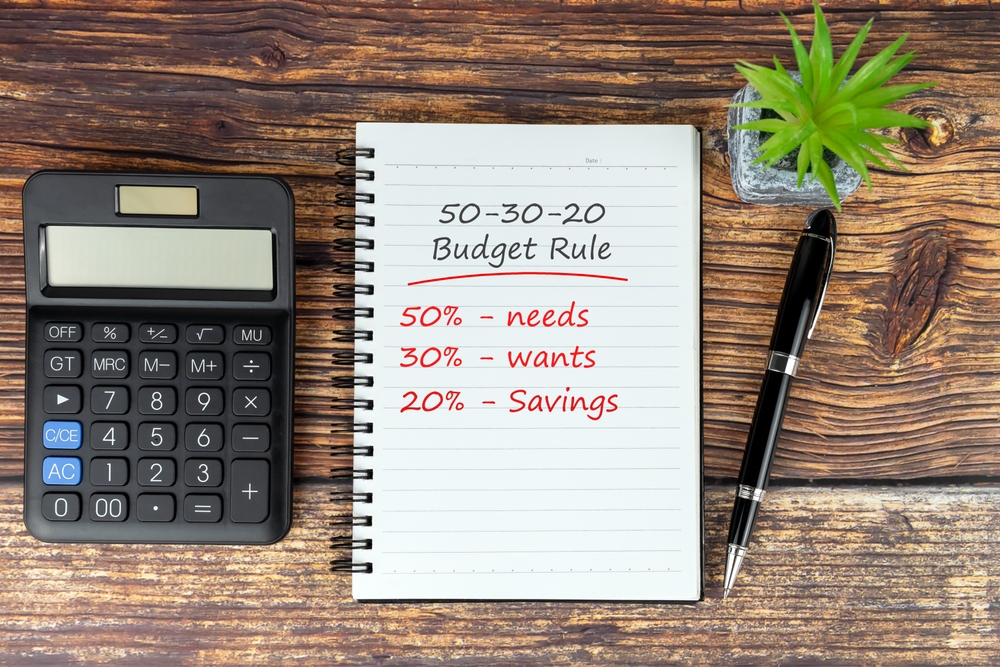
The 50/30/20 rule of budgeting is a widely used method that divides your monthly income into:
- 50% for Needs
- 30% for Wants
- 20% for Savings and Debt Repayment
It’s designed to ensure you spend wisely, while covering essentials, enjoying your lifestyle, and preparing for the future.
The 50/30/20 rule of budgeting is beneficial for salaried professionals looking to maintain balance.
How Does the 50/30/20 Rule Work?
The 50/30/20 budget rule works by giving every rupee a clear job. It’s easy to understand and doesn’t require detailed tracking of every transaction. Here's how it works:
- 50% for Needs: Essentials you must pay for each month to live and work. These include housing rent, food, bills, and transport.
- 30% for Wants: Lifestyle and non-essential spending. These include eating out, shopping, and travelling.
- 20% for Savings: Future-focused spending. These include investments, emergency funds, and loan repayments.
Example: If your monthly take-home salary is INR 90,000:
- Needs: INR 45,000
- Wants: INR 27,000
- Savings: INR 18,000
How to Use the 50/30/20 Budgeting Rule?
Applying the 50/30/20 rule budget starts with understanding your net income and breaking it into three parts:
- Calculate your post-tax income: This is your actual take-home amount.
- Categorise your expenses: List all your current spending and assign them to needs, wants, or savings.
- Rework your monthly plan: Adjust where needed so your budget matches the rule.
- Automate savings and debt payments: Schedule transfers to investments or EMIs early in the month.
By setting and sticking to your targets early, you’re less likely to overspend or under-save.
50%: Needs
Your needs are essential expenses required to maintain your day-to-day life.
What qualifies as a "Need"?
- Rent or Home Loan EMI: Fixed housing costs.
- Groceries: Monthly food and household necessities.
- Utilities: Electricity, water, gas, phone, and internet.
- Transportation: Fuel, public transport, and car upkeep.
- Healthcare: Medical bills, insurance premiums.
- Minimum Loan or Credit Card Payments: Required to avoid penalties.
If your needs exceed 50%, review options to reduce costs. For instance, use public transport more often or shift to a smaller rental. It’s also crucial to distinguish needs from wants.
Related Read: Strategies for Using Personal Loans in Debt Management
30%: Wants
Wants are non-essential, but they improve your quality of life. They make budgeting sustainable by allowing for small luxuries.
What qualifies as a "Want"?
- Dining Out and Takeaway Meals
- Shopping for Non-Essentials: Clothes, gadgets, gifts.
- Entertainment: Streaming subscriptions, events, hobbies.
- Leisure Travel: Weekend getaways, holidays.
Wants are where overspending usually happens. Budgeting 30% for them gives you freedom without guilt.
Example: On an INR 80,000 salary, INR 24,000 can be spent on:
- Dining out: INR 5,000
- Shopping: INR 7,000
- Entertainment: INR 6,000
- Travel fund: INR 6,000
Be mindful: distinguish wants from disguised needs.
20%: Savings
Savings are the foundation of long-term financial health. This is where the 50/30/20 savings rule pays off.
What counts as “Savings”?
- Emergency Fund: Helps handle unexpected costs like medical bills.
- Investments: SIPs, Mutual Funds, PPF, or FDs.
- Retirement Contributions: NPS or other long-term funds.
Example: On an INR 1,00,000 salary:
- Emergency Fund: INR 5,000
- Mutual Fund SIPs: INR 5,000
- Retirement Plan: INR 5,000
Use auto-debits and budgeting apps to stay consistent.
Benefits of Following the 50/30/20 Rule
1. Simple and Easy to Use
The rule’s clear structure helps beginners and experienced earners alike. It eliminates the guesswork and avoids complex financial planning.
2. Encourages Better Spending Habits
Categorising expenses makes you think before you spend. It helps you draw the line between what’s essential and what’s extra.
3. Builds Stronger Financial Discipline
The 50/30/20 rule of budgeting builds habits that lead to financial consistency and fewer impulsive purchases.
4. Helps Manage Debt
By committing 20% of your income to savings or debt, you create a built-in system to reduce loans faster and with less stress. You can use a personal loan EMI calculator to plan repayments that comfortably fit your budget.
5. Balances Living Today and Planning Tomorrow
With 30% of your income for enjoyment, this rule allows indulgence without sacrificing savings. You can live better now while saving for big goals.
6. Scales Across Income Levels
It works whether you earn INR 25,000 or INR 2,00,000. The rule adapts to your lifestyle without becoming restrictive.
7. Prepares You for Emergencies
Consistent saving creates a cushion for sudden expenses such as medical bills or job loss without derailing your finances.
8. Supports Long-Term Goals
Whether it’s buying a home, building retirement wealth, or funding your child’s education, this rule helps you get there steadily.
Conclusion
The 50/30/20 rule is more than just a budgeting technique. It’s a simple yet effective lifestyle framework that brings order to your finances and peace of mind to you. Breaking your income into essentials, lifestyle choices, and savings helps you live well today and be prepared for tomorrow.
Whether you're just starting your career or looking to fix financial gaps, the 50/30/20 rule of budgeting is an excellent place to begin. And, if you're considering a bigger financial move, such as applying for a personal loan, the rule will ensure you're organised and ready.
If you're seeking financial support to manage larger expenses, consider a personal loan of up to INR 10 Lakhs* from SMFG India Credit. Estimate your monthly repayments using our personal loan EMI calculator and apply online today to take advantage of competitive interest rates starting from 12.5%* per annum.