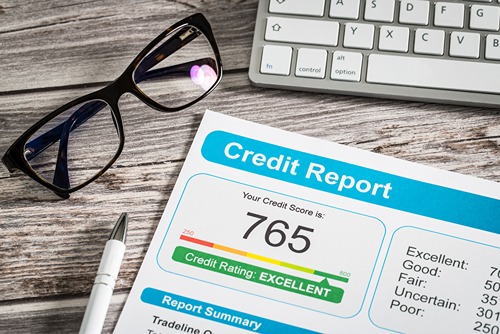
When it comes to applying for a personal loan, business loan, or any other form of credit, one of the first things lenders evaluate is your CIBIL or credit score. This three-digit number provides a quick snapshot of your creditworthiness and plays a significant role in determining whether your loan application will be approved – and on what terms.
But what exactly is considered the best CIBIL score, and how do the different CIBIL score ranges affect your borrowing potential?
In this article, we’ll explore what a CIBIL score is, how it’s calculated, the various score ranges, and actionable steps you can take to improve your score and qualify for better financial products.
What Is a CIBIL Score
The CIBIL score is a three-digit number that ranges from 300 to 900, and it reflects your creditworthiness based on your credit history. Issued by TransUnion CIBIL, one of India’s most prominent credit information bureaus, this score is used by lending institutions to assess how likely you are to repay a loan on time.
A higher CIBIL score indicates responsible credit behaviour and improves your chances of getting approved for loans with lower interest rates.
Related Read: Good CIBIL Score Range to Get a Personal Loan
How Are CIBIL Credit Reports Generated?
The credit report generation process involves analysing your credit behaviour using various data points submitted by lenders. Here's a breakdown of the key factors affecting the CIBIL score:
1. Repayment History
Your repayment behaviour – such as timely payment of EMIs and credit card dues – arguably has the highest impact on your score. Even a single missed or delayed payment can negatively affect your credit standing.
2. Credit Utilisation Ratio
This is the ratio of your credit usage to your credit limit. A high credit utilisation ratio (typically above 30%) may signal over-dependence on credit and can lower your score.
3. Credit Mix
A balanced mix of secured loans (like home or auto loans) and unsecured loans (like personal loans or credit cards) demonstrates the ability to manage different types of credit effectively.
4. Loan Enquiries
Every time you apply for credit, the lender makes a hard enquiry on your report. Too many enquiries in a short time can reduce your score.
5. Credit Cards
Managing your credit cards well – keeping balances low and paying dues in full – contributes positively to your CIBIL score.
6. Multiple Credit Accounts
Holding several loans at once can increase your debt-to-income ratio (which should ideally be below 30%). While having a mix of credit types is healthy, excessive borrowing may raise concerns for lenders.
What Is the CIBIL Score Range?
The CIBIL score range spans from 300 to 900. While 300 is the lowest, 900 is the highest CIBIL score possible. Most lenders consider a score above 750 to be excellent.
Knowing where your score falls within this range can help you better understand your loan eligibility and make informed decisions to improve it if needed.
Understanding Different CIBIL Score Ranges
Let’s break down the various score bands and what they typically represent:
NA/NH
NA/NH in CIBIL means “Not Applicable” or “No History.” If you have never taken a loan or used a credit card, your credit history may be insufficient to generate a score.
300–599
This is considered a poor score. It reflects a history of defaults, delayed payments, or poor credit behaviour. It is highly unlikely that you will get approved for a loan in this range.
550–649
This is still a low credit score, though better than the previous range. Some lenders may offer the loan, but may require a co-applicant or guarantor.
650–749
This is an average to good credit score. You stand a reasonable chance of securing a loan, depending on the loan type and lender policies, although you may not qualify for the most competitive interest rates.
750–900
This is considered the best CIBIL score for loans. Borrowers in this range usually enjoy faster approvals, higher loan amounts, and lower interest rates (provided they meet the other eligibility requirements set by the lender).
How Will Your Credit Score Impact Your Loan Borrowing Process?
Your credit score plays a crucial role in the loan application process. Here's how:
- Loan Approval: Higher scores often lead to quicker approvals, assuming you meet the overall eligibility criteria.
- Interest Rates: A good credit score often qualifies you for lower interest rates.
- Loan Amount: You may be eligible for a higher loan amount or credit limit.
- Repayment Terms: Lenders tend to be more flexible with repayment tenures for borrowers with high credit scores.
A low or poor score can result in application rejections or loan offers with less favourable terms. That’s why it’s important to check your CIBIL score before applying and take steps to improve it if necessary.
How to Improve Your CIBIL Score Gradually
Here are actionable tips to increase your CIBIL score gradually:
- Pay EMIs and Credit Card Bills on Time: Consistent, on-time repayments have a strong positive impact on your credit score.
- Keep Credit Utilisation Low: Aim to use less than 30% of your total credit limit to demonstrate responsible credit behaviour.
- Avoid Multiple Loan Applications: Apply for new credit only when necessary to reduce the number of hard enquiries on your report.
- Maintain a Mix of Credit Types: Use both secured and unsecured credit wisely to show balanced credit management.
- Check Your CIBIL Report Regularly: Review your credit report periodically to spot and dispute any errors or signs of fraudulent activity.
- Clear Outstanding Dues: Settle any overdue amounts to prevent your score from stagnating or declining.
By consistently following these practices, you can gradually build or rebuild a strong credit profile and improve your chances of securing loans on better terms.
Fulfil All Your Financial Needs With a Loan From SMFG India Credit
If you're planning to apply for a personal loan or a business loan, maintaining a healthy CIBIL score is essential. SMFG India Credit offers customised personal/business loan solutions designed to meet your financial needs – for eligible applicants with a credit score of 700 or above. Our competitive interest rates and flexible tenures of up to 60 months* are designed to keep your repayments manageable. Apply online today for a quick, hassle-free experience or contact us to learn more.