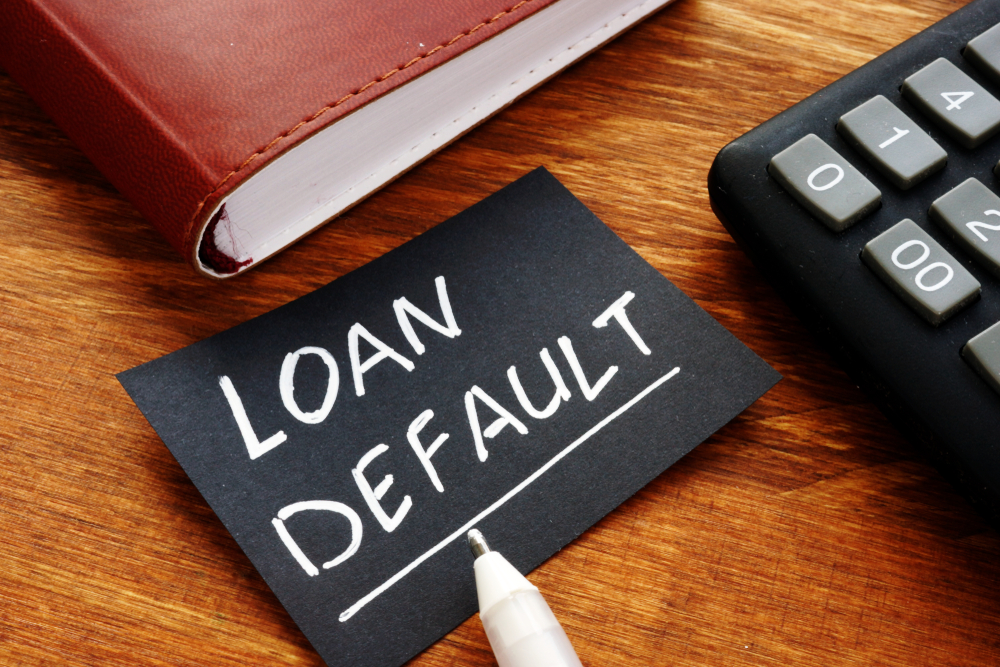
When a default happens, it’s natural to wonder why your credit score has dropped and how to repair credit after a loan default quickly.
The good news is that there are structured ways to rebuild credit and improve your score through disciplined steps and regular monitoring of your credit report.
A well‑planned approach, combining debt closure, credit report update checks, and cautious new borrowing, offers a practical route to improve credit score quickly after default.
Let’s explore effective credit repair tactics to get you back on track.
Related Read: What Is Loan Default?
Understanding Loan Default Consequences
A loan is generally classified as a default when repayments remain overdue for more than 90 days. At this point, lenders usually report the delinquent account to credit bureaus, and loan default recovery actions may begin under applicable regulatory frameworks. This can significantly lower your credit score and reduce your chances of getting fresh credit, such as a personal loan.
Beyond damaging your score, the loan default impact can include legal recovery measures, involvement from collection agencies, and stricter loan terms in the future, such as higher personal loan interest rates. This is why, wherever possible, proactive communication with your lender and exploring restructuring options before the 90-day mark is strongly recommended.
Steps to Rebuild Your Credit After a Loan Default
1. Review Your Entire Credit Report
Obtain your latest credit bureau report and carefully verify personal details, account statuses, overdue flags, and recent credit enquiries. Identify any mistakes or outdated information that could be unnecessarily lowering your score and raise disputes promptly with the bureau for credit report correction.
2. Resolve or Settle Outstanding Debts
Prioritise clearing overdue amounts, starting with the highest-cost or most delinquent accounts. If full repayment is not immediately possible, negotiate repayment plans or settlements, ensuring every agreement is documented and that you obtain a closure or no-dues certificate upon completion.
While debt settlement options can help close accounts, they are generally viewed less favourably than full repayment. Where feasible, aim for a complete payoff to strengthen your post-default credit profile and improve your chances of future approvals.
Related Read: Debt Consolidation vs. Debt Settlement: Comprehensive Guide
3. Planning & Preparing
Create a realistic repayment budget that channels cash flow toward EMIs and card dues, reduces revolving balances, and prevents new delinquencies, as payment history is one of the strongest credit score drivers. Use tools like a personal loan EMI calculator to plan repayments effectively.
Lower your credit utilisation ratio – ideally below 30% both overall and on each card – because high utilisation significantly impacts scoring models. Sustained reductions are among the fastest ways of achieving credit restoration after default.
4. Choose a Secured Credit Product
If access to new unsecured credit is limited, consider a secured loan product or credit card to demonstrate repayment discipline and gradually rebuild trust with lenders.
5. Keep an Eye on Your Credit Regularly
Monitor your credit reports monthly during the early stages of recovery to confirm that closures, settlements, and corrections are reflected accurately. Ensure lender reporting matches agreed terms and timelines. Early detection of inaccuracies allows for quick re-disputes, preventing avoidable score drag during your recovery window.
6. Do Not Apply for More Than One Loan
Multiple loan or card applications within a short period create hard enquiries, which can lower your score and signal credit-hungry behaviour to lenders.
If a consolidation loan or fresh loan is genuinely needed, use tools such as a personal loan eligibility calculator to assess borrowing potential, then make a single, well-justified application.
7. Consider Consulting a Professional
If repayment negotiations, documentation, or disputes feel complex, a qualified credit counsellor or advisor can help structure repayments, guide settlements, and ensure proper record-keeping – speeding up your credit rebuilding process.
Professional guidance for defaulted loan solutions is especially valuable in prioritising debts, avoiding adverse settlement wording, and timing new applications to align with damaged credit fixing milestones. Pair expert advice with disciplined financial habits and regular monitoring to shorten your recovery timeline without risking new delinquencies.
Conclusion
Rebuilding credit after a default requires deliberate action: correct any errors, close or settle overdue accounts, maintain low credit utilisation, avoid new hard enquiries, and make consistent on-time repayments. These steps, when followed together, can turn a short-term setback into sustainable credit score improvement over subsequent reporting cycles. That said, keep in mind that meaningful progress takes time and steady financial discipline.
If you’re exploring new loan options, SMFG India Credit offers personal loans of up to INR 10 Lakhs* with interest rates starting as low as 12.5%* per annum. Check out the personal loan documentation requirements and apply online for a quick, hassle-free experience.