EPFO 3.0 has generated significant interest because it is expected to modernise how employees access and manage their Provident Fund (PF) accounts. The proposed EPFO new rules 2026 aim to introduce faster digital withdrawal processes, UPI and ATM-based access, simplified PF withdrawal new rules, and reduced paperwork.
However, some of these features are still subject to official rollout and may not yet be available to every EPF member. This article explains the announced changes, what they could mean for your EPF balance, and how your UAN, Aadhaar, and other EPFO services may be affected.
What Is EPFO 3.0?
The EPFO 3.0 meaning refers to a proposed EPFO digital upgrade designed to modernise the services offered by the Employees’ Provident Fund Organisation. The initiative aims to simplify managing an EPF account by making claim settlement, account transfers, and other digital services faster and more convenient. It is also expected to improve the user experience on the EPFO member portal, helping individuals complete routine provident fund transactions with fewer manual processes and reduced waiting times.
Key Takeaways on EPFO 3.0 New Rules
The proposed EPFO 3.0 new rules introduce several digital enhancements intended to simplify provident fund management. While some features are still being implemented, the following PF withdrawal update highlights the key changes members can expect:
- Under the EPFO withdrawal rules 2026, eligible members may be able to withdraw a portion of their PF savings through UPI, subject to applicable limits and availability.
- ATM-based access is expected to make withdrawing eligible PF amounts more convenient.
- Expanded auto-settlement limit (up to Rs. 5 lakhs from the existing Rs. 1 lakh) is intended to speed up claim processing for eligible requests.
- Aadhaar OTP-based verification and self-certification may replace employer approval for certain standard claims.
- Reduced employer dependency is expected to help eligible members complete more services independently.
- Keeping your KYC, UAN, and bank account details updated can help ensure smoother access to the new digital services once they become available.
EPFO 3.0 Launch Date & Rollout Timeline
The EPFO 3.0 framework received approval from the Central Board of Trustees (CBT) during its 238th meeting, chaired by Union Minister Dr Mansukh Mandaviya in New Delhi on 13 October 2025.
Following this, the upgraded platform was widely expected to roll out by the end of June. However, despite several EPFO 3.0 updates outlining the proposed digital enhancements, no official EPFO 3.0 launch date has been announced. The new features are therefore expected to be introduced in phases as they become operational and are formally notified.
Why Did EPFO Introduce New PF Withdrawal Rules?
The proposed EPF withdrawal new rules are intended to make provident fund withdrawals faster, simpler, and more convenient for members. Previously, multiple verification steps, manual checks, and employer approvals often delayed claims and made the process more complicated. The EPFO 3.0 updates are aimed at reducing these challenges through greater digitisation and streamlined procedures. Key issues the changes seek to address include:
- Lengthy manual verification of member records
- Dependence on employer approval for certain claims
- Delays caused by record matching and validation
- Complex withdrawal categories and documentation requirements
- A withdrawal process that was difficult for many members to navigate
Major Changes Introduced Under EPFO 3.0
Several reforms have been proposed as part of the changes under EPFO 3.0, with the objective of making provident fund services faster, simpler, and more digitally accessible. The latest EPFO 3.0 updates focus on reducing paperwork, improving claim processing, and simplifying member services while retaining the core existing PF withdrawal tax rules.
Withdrawal Categories Have Been Simplified
Members previously had to choose from several withdrawal categories, making the claim process confusing in some situations. The revised framework aims to group similar withdrawal purposes together, making it easier to identify the correct claim type and reducing errors during application.
Auto-Settlement Can Speed Up Eligible Claims
EPFO is expanding the use of automated claim processing for eligible withdrawals through digital verification. This is expected to reduce manual intervention and improve turnaround times.
Expected improvements include:
- Lower documentation requirements for eligible claims
- Shorter claim processing timelines
- Reduced dependence on manual verification
Emergency Access to PF May Become Easier
The proposed reforms also seek to simplify withdrawals during eligible emergencies, such as natural disasters or financial hardships. With fewer procedural requirements or documentation for qualifying claims, members may be able to access their provident fund more quickly when immediate financial assistance is needed.
Education and Marriage Claims Are Expected to Become Simpler
Withdrawals for eligible education and marriage expenses are also expected to become more straightforward. By simplifying the claim process and reducing procedural complexity, EPFO aims to improve the overall experience for members applying under these permitted withdrawal categories.
PF Withdrawal via UPI Under EPFO 3.0
The proposed EPFO UPI withdrawal feature is expected to let eligible members withdraw funds through a UPI-linked bank account, such as BHIM UPI, once it is officially launched. Under the expected EPFO 3.0 UPI withdrawal process, members may authenticate using their UAN and Aadhaar OTP, subject to applicable verification requirements.
However, as per the proposed framework, PF withdrawal via UPI may be limited to 75% of the available EPF balance, with the remaining amount continuing to stay invested for retirement savings.
Expected UPI PF Withdrawal Process
The exact UPI PF withdrawal process may vary after the official rollout, but the expected steps are:
- Complete your UAN login through the EPFO portal or app.
- Select the option to withdraw PF through UPI and initiate a claim request.
- Choose your linked UPI ID or registered bank account.
- Enter the withdrawal amount within the permitted limit.
- Verify the request using the OTP sent for authentication.
- Submit the request and wait for the transaction confirmation once the claim is processed.
PF Withdrawal via ATM Under EPFO 3.0
The proposed EPFO ATM withdrawal facility is expected to allow eligible members to access their provident fund through an EPF-linked ATM card or digital channels after the official rollout. The facility is designed to provide easier access while safeguarding their retirement corpus. Members should now watch out for official instructions regarding the EPFO 3.0 withdrawal limits, member authentication, card issuance, and transaction rules.
Can You Withdraw 100% PF Through ATM or UPI?
If you are wondering whether you can withdraw 100% PF through ATM or UPI, the answer is no. The EPFO rules do not permit unlimited withdrawals for all members. Under the proposed digital withdrawal facility, eligible members may be able to withdraw up to the 75% limit, while the remaining 25% lock-in helps preserve their EPF balance for retirement. Existing PF full withdrawal rules for unemployment or retirement continue to apply separately and allow full withdrawal only under specified conditions prescribed by EPFO.
Who Can Use UPI and ATM Withdrawal?
Once these facilities are officially introduced, eligible EPF members will need to meet certain requirements before accessing UPI or ATM-based withdrawals. These are expected to include an active UAN, Aadhaar linked with the UAN, a PAN linked to avoid higher TDS where applicable, a pre-validated bank account with the correct IFSC, and a registered mobile number for OTP verification. Meeting these prerequisites can help ensure a smoother withdrawal experience and faster processing of eligible claims after the official rollout.
How Much PF Can You Withdraw?
Under the proposed EPFO new rules, eligible members may be able to claim up to 75% withdrawal of their available provident fund balance through the new digital facilities, subject to applicable conditions and official implementation. The remaining 25% balance is intended to continue supporting long-term retirement savings. These proposed limits do not change the existing PF withdrawal tax rules, which continue to apply based on factors such as the withdrawal amount, eligibility, and period of service under the prevailing EPFO regulations.
Key Features of EPFO 3.0
EPFO 3.0 introduces a range of proposed digital enhancements aimed at improving the overall member experience and simplifying provident fund services. The reforms focus on reducing paperwork, accelerating claim processing, and enabling easier access to withdrawals through digital channels. Other expected features include UPI and ATM-based withdrawal options, higher auto-settlement limits, Aadhaar-based verification for eligible claims, simplified withdrawal categories, and reduced dependence on employer approval.
Eligibility for EPFO 3.0 Withdrawal
To access the proposed digital withdrawal facilities, members will need to satisfy the applicable EPFO 3.0 eligibility requirements. In addition to meeting the relevant PF withdrawal eligibility criteria for the purpose of the claim, members are expected to ensure that their account details are accurate and up to date. Fulfilling these requirements can help minimise processing delays once the new features are officially rolled out.
To be eligible, you should generally have:
- An active UAN
- An Aadhaar linked with your UAN
- Verified KYC details
- A registered bank account linked with your UAN
- A linked PAN, where applicable
- A mobile number linked with Aadhaar for OTP-based verification
- Eligibility for the withdrawal based on the applicable claim reason as prescribed by EPFO
These conditions are expected to help an EPF member access the proposed digital services more efficiently once they become available.
Documents Required for PF Withdrawal
The documents required for a PF withdrawal depend on the type of claim and your eligibility. In most cases, if your KYC details are verified and linked with your UAN, the process can be completed digitally with minimal documentation. However, you should ensure that all supporting details are accurate before submitting your claim.
Here’s a quick checklist to keep in mind:
- Active UAN
- Aadhaar linked with UAN
- PAN (where applicable)
- Pre-validated bank account details
- Registered mobile number for OTP verification
- Supporting documents, if required for the specific withdrawal reason (such as medical treatment or education)
Pension Contribution Flexibility Under EPFO 3.0
In addition to simplifying withdrawals, EPFO 3.0 is expected to introduce greater flexibility in provident fund contributions. As part of the proposed reforms, there have been discussions around increasing the contribution limit beyond the existing 12% under voluntary contribution provisions. Reports have also suggested a possible revision to the salary threshold for EPF eligibility. However, members should rely on formal notifications from EPFO before expecting any changes to contribution limits or eligibility criteria.
How to Check PF Balance Before Withdrawal
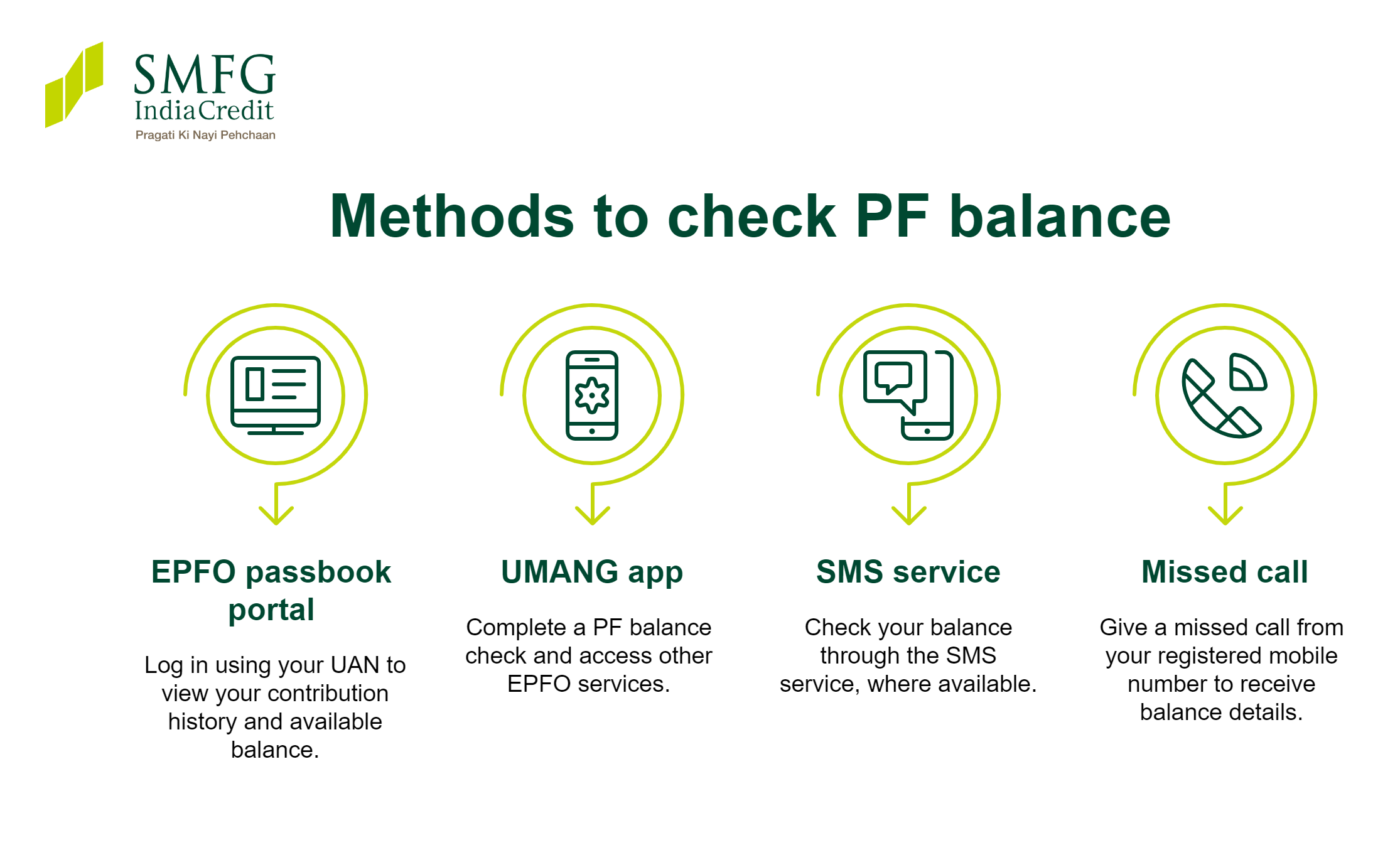
Before submitting a withdrawal request, it is advisable to check your PF balance to understand how much you can withdraw while planning your finances. You can view your EPF balance using any of the following methods:
- Log in to the EPFO passbook portal using your UAN to view your contribution history and available balance.
- Use the UMANG app to complete a PF balance check and access other EPFO services.
- Check your balance through the SMS service, where available.
- Give a missed call from your registered mobile number to receive your PF balance details.
Reviewing your balance beforehand can help you decide an appropriate withdrawal amount based on your eligibility and financial requirements.
Benefits of EPFO 3.0 for Employees
EPFO 3.0 updates are expected to make provident fund services faster, simpler, and more accessible by introducing a range of digital improvements. While several features are still awaiting official implementation, the proposed reforms are designed to reduce delays, minimise paperwork, and improve the overall experience for EPF members.
Key expected benefits include:
- Faster processing of eligible withdrawal claims
- Reduced paperwork through greater digitisation
- Simpler withdrawal categories and claim procedures
- Less dependence on employer approval for eligible claims
- Easier access to PF through proposed UPI and ATM-based facilities
- Improved transparency with streamlined digital services
- Quicker verification using Aadhaar-based authentication
- More convenient access to routine EPFO services through online platforms
Common Mistakes to Avoid Under EPFO 3.0
As the proposed digital features are introduced, avoiding common EPFO 3.0 mistakes can help ensure a smoother withdrawal experience. Many PF withdrawal mistakes arise from outdated account information, incorrect assumptions about the new facilities, or incomplete verification, which may result in delays or EPFO claim errors.
Avoid these common mistakes:
- Assuming ATM and UPI withdrawals are already available to all members before the official rollout
- Not updating your KYC details, UAN, or linked bank account before submitting a claim
- Withdrawing more than necessary without considering your remaining EPF balance
- Ignoring applicable tax implications and withdrawal eligibility conditions
- Confusing EPF withdrawals with EPS pension benefits
- Using an unofficial app instead of authorised EPFO platforms
- Failing to complete Aadhaar OTP verification or regularly check your claim status after submitting the request
Planning Your Finances After EPFO 3.0
The proposed digital features under EPFO 3.0 are expected to make provident fund withdrawals quicker and more convenient. However, your EPF is primarily a retirement savings instrument, so frequent or unnecessary withdrawals can reduce the long-term benefits of compounding. Consider withdrawing only when permitted and genuinely required, while keeping your future financial security in mind.
For expenses such as medical emergencies, weddings, or higher education, a personal loan may be a suitable alternative, helping you preserve your retirement savings.
Before applying, you can use a personal loan eligibility calculator to estimate your borrowing capacity and assess whether the loan aligns with your repayment ability.
Conclusion
The proposed EPFO 3.0 new rules represent a significant step towards making provident fund services faster, simpler, and more digitally accessible. While features such as UPI and ATM-based withdrawals are expected to improve convenience, members should verify their live availability through official EPFO notifications. Keeping your UAN and KYC details updated can help ensure smoother claim processing under the proposed PF withdrawal new rules 2026. At the same time, it is important to use your EPF balance prudently, as it plays a vital role in building your retirement corpus.
If you need funds for planned expenses or unexpected financial requirements, consider whether a personal loan may be more suitable. SMFG India Credit offers unsecured financing of up to Rs. 10 lakhs* at competitive personal loan interest rates, helping you meet your financial needs while you can protect your long-term retirement savings.
Check your personal loan eligibility and apply online today!
* Please note that this article is for your knowledge only. Loans are disbursed at the sole discretion of SMFG India Credit. Final approval, loan terms, disbursal process, foreclosure charges and foreclosure process will be subject to SMFG India Credit's policy at the time of loan application. If you wish to know more about our products and services, please contact us