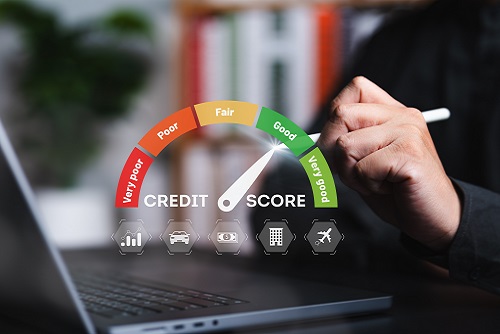
Traditionally, borrowers and lenders have challenges associated with delays in updating credit scores. Changes often took 30 to 45 days to reflect in credit reports, leaving borrowers frustrated when timely payments or improvements in their credit scores went unacknowledged. Lenders, too, were hindered by outdated data, potentially impacting their decisions on loans and borrower creditworthiness.
The new rule from the Reserve Bank of India (RBI), effective January 1 2025, mandates all lenders to update credit bureau records every 15 days. This move has the potential to enhance credit scoring accuracy, improve credit risk assessment, and bring greater transparency to the credit system.
This article explains how RBI’s credit reporting guidelines will impact borrowers and lenders alike.
What Has Changed?
Until now, repaying a significant portion of your loan or making timely credit card payments often meant waiting over a month for your credit score to reflect these actions. Under the previous system, lenders typically submitted data to credit bureaus every 30 to 45 days. This caused delays in recognising financial improvements. For instance, if you cleared a significant portion of your debt on 5 January, the update might not appear until mid-February. These delays led to frustration for borrowers and inefficiencies for lenders, who received outdated information.
The Reserve Bank of India has introduced a major update to credit reporting regulations, effective January 1, 2025. Under this new rule, lenders must update credit bureau records every 15 days instead of the typically once-a-month cycle.
How Will the 15-Day Rule Impact Borrowers and Lenders?
The new rule will create significant changes for both borrowers and lenders. Here’s how it affects each group:
For Borrowers
- Timely Credit Updates: Borrowers will experience timely credit history updates as financial actions like repaid loans or timely payments will be reflected more rapidly.
- Improved Loan Opportunities: Faster updates can help eligible borrowers secure loans more easily, particularly those working to improve their credit scores.
- Encourages Financial Discipline: With both positive and negative actions being recorded promptly, the new RBI personal loan regulation will likely incentivise borrowers to maintain good credit habits.
For Lenders
- Access to Accurate Data: Lenders will have up-to-date credit information, enabling them to assess borrowers’ creditworthiness and lending risks more accurately. This may also allow early detection of risky borrowing patterns, reducing potential losses.
- Faster Loan Decisions: Quicker access to current credit scores can streamline loan approvals and improve customer experience.
- Operational Adjustments: Implementing the rule may require system upgrades, additional resources, and staff training, leading to increased costs for lenders.
- Increased Monitoring Needs: More frequent updates will require closer monitoring of borrowers’ financial activities, adding to the workload and operational complexity.
How Will Credit Bureaus Be Affected?
Receiving borrower data more frequently from lenders will allow credit bureaus to provide more accurate and up-to-date credit scores and reports, improving the reliability of their services.
However, they may face operational challenges initially, such as upgrading systems to handle the increased data volume and ensuring timely processing of the more frequent updates.
Addressing Key Issues in the Credit Market
Along with ensuring timely credit score updates, the new RBI rule can address the following challenges in the credit system:
- Over-Borrowing Risks: Quicker updates can reduce the risk of borrowers taking out multiple loans within a short timeframe before their existing debt is reflected in their credit report.
- ‘Evergreening’: The practice of borrowers using new loans to repay old ones, which can spiral into a debt cycle, can now be identified more quickly, helping lenders take timely corrective actions.
Potential Benefits and Challenges
Benefits
- Timely Updates: Credit score changes will be reflected more quickly, increasing chances of quicker loan approvals and better terms for those practising responsible financial behaviour.
- Transparency: Regular updates help build trust and ensure fairness in the system.
- Better Risk Assessment: Lenders will have access to more accurate, up-to-date data, which can help mitigate the risk of defaults.
Challenges
- Higher Costs: Upgrading systems and processes to accommodate the new rule may increase expenses for lenders and credit bureaus.
- Implementation Barriers: Smaller institutions may face challenges in adapting to the new system due to resource constraints.
- Error Risks: The increased frequency of updates could lead to mistakes in reporting, which may affect borrowers’ credit scores.
- Privacy Concerns: More frequent data sharing will require stricter security measures to protect borrower information.
Conclusion
The RBI’s 15-day credit reporting rule marks a significant shift in India’s credit system, offering benefits for both borrowers and lenders through faster credit updates. Borrowers with strong repayment habits could experience quicker personal loan approvals, while lenders gain the opportunity to improve their risk assessment and make more informed lending decisions.
If you're considering personal loan options and have a strong credit score of 700+, SMFG India Credit offers loan amounts up to INR 10 Lakhs*. Apply online today to benefit from interest rates starting at 12%* per annum and flexible tenures of up to 60 months. Before applying, we recommend checking your personal loan eligibility and estimating your monthly payments with our free-to-use online EMI calculator.
* Please note that this article is for your knowledge only. Loans are disbursed at the sole discretion of SMFG India Credit. Final approval, loan terms, disbursal process, foreclosure charges and foreclosure process will be subject to SMFG India Credit's policy at the time of loan application. If you wish to know more about our products and services, please contact us