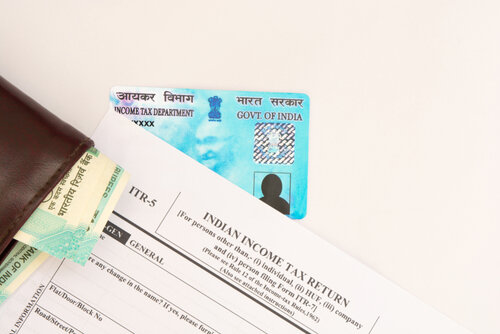
A Taxpayer Identification Number, or TIN number, is an essential part of business tax compliance in India. When you understand what the TIN number is, it becomes easier to manage tax filings, interstate trade, and VAT (Value Added Tax)-related activities. This guide explains the TIN meaning in simple terms and shows you how TIN registration online supports smoother operations for businesses and MSMEs (Micro, Small & Medium Enterprises).
What Is a TIN (Taxpayer Identification Number)?
The TIN full form is Taxpayer Identification Number, sometimes also referred to as the Tax Identification Number.
It is an eleven-digit number that was issued to businesses dealing in goods, primarily to help authorities track transactions, VAT filings, and the interstate movement of goods. The TIN number's meaning in India is simple. It is a unique code that confirms your business identity while dealing in taxable products.
So, when someone asks what TIN is, it can be explained as a key identification number used under India’s tax system for businesses engaged in the sale of goods.
A Tax Identification Number is issued by the Commercial Tax Department of each state. You will need it when you start trading goods locally or across states. Since it is a part of national tax compliance, it is important to understand how it works and why it matters.
Why Is a Taxpayer Identification Number Required?
A Taxpayer Identification Number supports clear reporting and smooth transactions. Businesses needed it for multiple purposes, including VAT compliance and interstate trade. It also enabled tax authorities to verify a business’s identity when returns were filed.
Key reasons why TIN is required include:
- To meet tax compliance rules for goods
- To file VAT returns on time
- To support the interstate movement of goods
- To maintain clear business records
- To complete business registration processes
- To make sure the state can track all commercial transactions
Who Needs a Taxpayer Identification Number?
So, who needs a TIN exactly? Here are some key sectors that need a Taxpayer Identification Number:
Manufacturers
They need a Tax Identification Number because they supply finished goods to retailers and distributors.
Retailers
They need a Tax Identification Number so they can sell goods and file their VAT-related reports.
Exporters
They need a Tax Identification Number for clear documentation during the export of taxable products.
When Is a Taxpayer Identification Number Required?
You will need a Tax Identification Number in several situations related to trade and taxation. Common cases when TIN is required include:
- When you start VAT-related activities
- When you file your VAT return
- When you move goods from one state to another
- When you register your business under specific tax rules
- When you take part in interstate trade
- When you deal with suppliers or distributors who need your number
Importance of Taxpayer Identification Number
A Taxpayer Identification Number plays a key role in business operations. It keeps your records clean, helps with tax compliance in India, and allows you to build trust with your customers and partners. The importance of the Tax Identification Number goes beyond simple paperwork.
Here are some clear TIN benefits:
- Helps authorities verify your business identity
- Supports VAT compliance and clean reporting
- Allows you to move goods across states
- Helps you build a clear tax history
- Supports audits and inspections
- Enhances credibility when you apply for a business loan or an MSME loan
TIN use in interstate trade is one of the strongest reasons businesses apply for it early.
TIN Number Format in India
The TIN format in India uses an eleven-digit combination. The first two digits indicate the state code. The remaining digits represent the registered business. This TIN number format keeps tracking simple.
When you look at a TIN number example, the pattern becomes easy to recognise.
Example: 27XXXXXXXXX (where “27” represents the state code for Maharashtra)
Since each state has a unique code, it is easy to identify where the business is registered. You can also use the state TIN code list to check the meaning of each code.
Have skipped a heading "Types of TIN, as the given types are US-specific.
List of State Codes in Tax Identification Number
Here is a simple table to give you a clear view of the most common codes. These codes appear at the beginning of the TIN number.
|
State
|
Code
|
|
Andhra Pradesh
|
37
|
|
Assam
|
18
|
|
Bihar
|
10
|
|
Delhi
|
07
|
|
Gujarat
|
24
|
|
Haryana
|
06
|
|
Karnataka
|
29
|
|
Kerala
|
32
|
|
Maharashtra
|
27
|
|
Rajasthan
|
08
|
|
Tamil Nadu
|
33
|
|
Uttar Pradesh
|
09
|
|
West Bengal
|
19
|
TIN vs GSTIN: Key Differences
Since GST registration replaced VAT in many cases, businesses often compare these two identification numbers. The difference between GSTIN and TIN lies in their scope and application. A GSTIN (Goods and Services Tax Identification Number) is used for both goods and services under the GST regime, whereas a TIN number is primarily for goods under the earlier VAT system.
Here is a simple overview of the GSTIN vs TIN difference:
|
Feature
|
TIN
|
GSTIN
|
|
Used for
|
VAT
|
GST
|
|
Digits
|
11
|
15
|
|
Focus
|
Goods
|
Goods and services
|
|
Format
|
State code-based
|
PAN based
|
How to Apply for a Tax Identification Number
You can apply for a TIN number online or offline. The TIN registration process is simple as long as you keep your documents ready.
Online Method
- Confirm your TIN eligibility and visit the official online registration portal of your state to start the process.
- Fill in the application form with accurate details as per your business registration records.
- Upload the required documents and pay the applicable TIN registration fees, if prescribed.
- Submit the form and monitor your Taxpayer Identification Number application through the same portal.
Offline Method
- Visit the nearest Commercial Tax Department office to initiate TIN registration.
- Collect and complete the application form with correct business and personal details.
- Attach supporting documents and submit the application at the department office.
- Pay the applicable TIN registration fees, if required by the state authority.
- Follow up with the Commercial Tax Department to check your TIN application status.
Once you complete the TIN certificate download and have other statutory formalities in place, you may consider financing options if you plan to expand operations or manage working capital. Check your business loan eligibility in advance to prepare better for the loan application process.
Documents Required for TIN Application
The TIN documents required may vary by state, but common items include:
These documents form an essential part of the Tax Identification Number application process.
How to Check TIN Application Status
To conduct a TIN application status check online and find out what is your Tax Identification Number, visit your state’s TIN login portal. Enter the reference number provided at the time of application. You can also do a TIN number check to confirm if your number is active. Some states allow TIN tracking online to help applicants stay informed.
Wondering what is TIN validity? A Taxpayer Identification Number remains valid as long as the business continues operations under the VAT framework and complies with applicable tax requirements.
TIN vs PAN vs GST
Many people compare these three identification numbers.
- TIN identifies businesses engaged in goods under VAT.
- PAN identifies individuals and businesses for income tax purposes.
- GSTIN identifies businesses under the GST system for goods and services.
So the difference between PAN and TIN is straightforward. PAN applies to income tax, while TIN applies to VAT.
Must Read: GST 2.0 Reforms 2025 - Key Highlights & Benefits
Final Summary
A valid TIN for business supports VAT compliance, smooth movement of goods, and clean tax reporting. It connects you clearly to the Indian tax system and keeps your business records consistent.
As you manage ongoing tax compliance requirements and scale business operations, maintaining healthy cash flow becomes essential. When planning to expand operations or enter new markets, you may apply for a business loan or a working capital loan to strengthen your supply reach.
Must Read: Difference Between CGST, SGST & IGST
Explore SMFG India Credit Business Loan
SMFG India Credit offers tailored, unsecured financing of up to Rs. 1 crore* with competitive business loan interest rates to support expansion, equipment upgrades, and working capital needs. You can assess your borrowing capacity with our business loan eligibility calculator and estimate repayments using our business loan EMI calculator.
With the right financial support, you can grow your business confidently and meet tax compliance obligations effectively. Check the required business loan documents and apply online today.