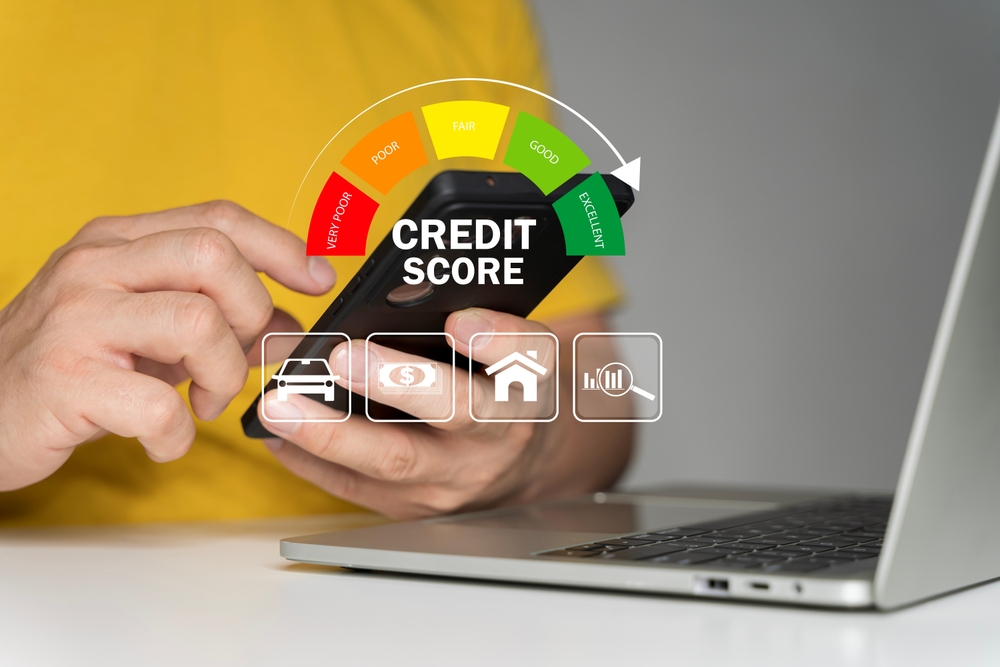
Many borrowers are surprised when their credit score drops temporarily after closing a loan, often asking: Why did my credit score drop, and can paying off loan obligations really cause a credit score decrease even with a perfect loan repayment record? While settling a loan balance is a positive financial milestone, it can temporarily affect key scoring factors such as credit utilisation, length of credit history, and credit mix. These shifts may lead to short-term credit score drops before your score stabilises and shows improvement.
If you are considering loan products such as a personal loan, understanding these nuances is essential for long-term credit rating improvement and stronger CIBIL score outcomes.
Related Read: How to Check CIBIL Score for Personal Loan?
What Factors Impact Your Credit Score?
All the following factors affect your credit score, ultimately influencing your personal loan eligibility and the interest rates you may be offered.
Payment History (35%)
Payment history is one of the largest drivers of your score. Consistent on-time EMIs across loans and credit cards build creditworthiness, while missed or late payments can significantly hurt the score.
Credit Utilisation Ratio (30%)
The proportion of used credit versus available credit should ideally be kept below 30% for healthy scores. Reductions in available credit or higher relative usage elsewhere can cause temporary score dips, even as you reduce overall debt.
Length of Credit History (15%)
Closing a long-standing loan can lower the average age of open accounts, and a shorter average age can nudge the score down in the short run despite responsible behaviour. This effect is more visible if the closed loan was one of the oldest active accounts in the profile.
Credit Mix (10%)
A healthy combination of instalment loans and revolving credit supports better scores. Closing a loan can reduce that diversity, leading to a small dip until the mix is rebuilt.
New Credit Enquiries (10%)
Multiple recent hard enquiries can depress scores temporarily. Combining loan closure with several new applications may compound short-term declines and create confusion about why your credit score has gone down.
How Long Does It Take for Your Credit Score to Improve After Paying Off Debt?
Timing of Updates
Most lenders and card issuers report monthly, so allow 30–45 days for closures and lower balances to be reflected in bureau data and scores. Depending on billing cycles and the reporting date, the improvement or normalisation may only appear after the next cycle.
Credit Utilisation Adjustment
Paying down revolving balances often improves scores faster because utilisation is recalculated immediately once lower balances are reported to bureaus. If you only closed an instalment loan and revolving utilisation remains high, score gains may be muted until card balances decline.
Closing Accounts and Impact
Closing a seasoned loan can reduce average age and eliminate one instalment line from your mix, causing a small short-term score dip, which typically stabilises with continued positive behaviour. If other accounts stay in good standing, the impact moderates across subsequent reporting cycles.
Credit Mix Shifts
When an instalment account is removed, the mix may skew toward revolving credit, modestly affecting the score until another instalment line is established or revolving balances are optimised. This shift is often temporary and can be offset by low utilisation and spotless payment history.
General Recovery Timeline
Minor improvements may show in 30–60 days as updates post, with more meaningful progress over several months of on-time payments and prudent utilisation, especially after reducing revolving balances below key thresholds. Significant rebuilds after deeper derogatories can take 6–12 months or more, depending on the profile and actions taken.
What to Do to Increase Your Credit Score After Paying Off a Loan
- Maintain 100% on-time payments on remaining accounts, as repayment history is usually the most influential factor in your score.
- Keep credit card utilisation below 30% (and ideally lower) to accelerate normalisation after loan closure.
- Preserve older accounts where possible to protect average age metrics and avoid unnecessary dips in length of history.
- Avoid bunching hard enquiries; space out credit applications to limit enquiry-related drag on the score.
- Monitor your credit report post-closure to ensure the account is reported as “closed” and balances are accurate, disputing any errors quickly.
Why Would My Credit Score Drop After Paying Off Debt?
Your score may drop temporarily if closing a long-standing loan shortens your average account age, reduces your credit mix by removing an instalment account, or increases your credit utilisation ratio if revolving balances remain high compared with available credit.
How to Pay Off Debt and Help Your Credit Score at the Same Time
- Sequence payments to lower revolving utilisation first while continuing on-time EMI payments for instalment accounts. Then, close loans strategically when other factors are optimised.
- Keep at least one older revolving account open and active with low utilisation to preserve history length and utilisation benefits.
- Use a personal loan for consolidation if it reduces total interest costs and supports consistent on-time payments. Always simulate outcomes with a personal loan EMI calculator before proceeding. You can also use a personal loan eligibility calculator, which helps you estimate the maximum amount you may qualify for.
- Avoid simultaneous new credit applications around the time of closure to limit enquiry-related dampening of scores.
- Re-check scores 30–45 days after major changes to confirm updates and correct reporting.
How to Prevent Your Credit Score from Dropping
- Automate payments on all active accounts to safeguard payment history.
- Target a utilisation band under 30% overall and per card; lower is generally better for score stability.
- Retain older, well-managed accounts to protect the length-of-history metric during and after debt closure.
- Maintain a balanced credit mix and avoid closing your only instalment account if you’re planning a major application soon.
- Monitor your credit reports regularly to detect and correct inaccuracies before they can cause unexpected score drops.
Conclusion
Paying off loan obligations is a strong step toward long-term financial health, but temporary credit score drops can occur due to changes in utilisation, average account age, and credit mix before normalising with continued on-time payments and prudent balances.
Exploring personal loan options? SMFG India Credit offers funds of up to INR 10 Lakhs* with flexible tenures of up to 60 months and personal loan interest rates starting from just 12.5%* per annum.
Check your eligibility, estimate your EMIs, and apply online today with minimal personal loan documentation for a smooth and hassle-free process.
* Please note that this article is for your knowledge only. Loans are disbursed at the sole discretion of SMFG India Credit. Final approval, loan terms, disbursal process, foreclosure charges and foreclosure process will be subject to SMFG India Credit's policy at the time of loan application. If you wish to know more about our products and services, please contact us